Flea & Tick Extermination Service
Comprehensive Indoor and Outdoor Flea & Tick Protection
Fleas and ticks are persistent pests that can quickly turn a comfortable home or yard into an uncomfortable environment.
Flea & Tick Extermination Services from Brigham City Pest Control focus on identifying active infestations, addressing hidden breeding areas, and reducing the conditions that allow these pests to thrive. We help homeowners manage flea and tick problems both indoors and outdoors by applying targeted treatments and providing helpful recommendations that support long term control.
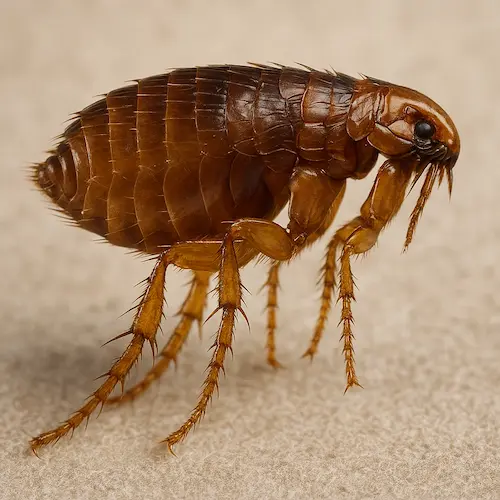
Get a Free Quote for Flea & Tick Treatment
Flea and tick infestations can vary widely depending on the size of the property, the level of pest activity, and the areas that require treatment. The best way to determine the right approach is to request a customized estimate based on your specific situation.
If you are dealing with itching pets, bites around the home, or increased insect activity in your yard, we encourage you to fill out the free quote form.
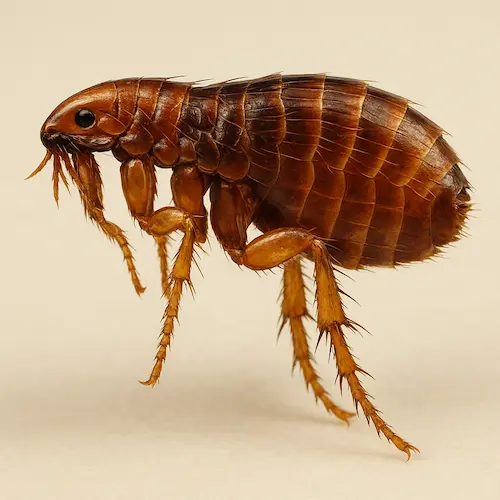
How Fleas and Ticks Enter Residential Properties
Pets Bringing Fleas Indoors
Dogs and cats that spend time outdoors are one of the most common ways fleas enter homes. Even brief contact with infested grass or animals can transfer fleas.
Wildlife Activity
Animals such as raccoons, squirrels, stray cats, and rodents may carry fleas and ticks into residential yards.
Tall Grass and Overgrown Landscaping
Ticks thrive in shaded, moist vegetation. Properties with tall grass or dense landscaping may provide ideal hiding places.
Clothing and Outdoor Gear
People who hike or spend time in grassy areas may unknowingly bring ticks home on clothing.
Flea and Tick Problems We Solve
Flea and tick infestations can appear in many different ways depending on the property and environmental conditions. Some homeowners notice obvious signs immediately, while others discover the problem gradually.
What to Expect During the Flea & Tick Control Process
Flea & tick extermination typically involves multiple stages that address both active pests and hidden breeding areas.
Initial Property Review
The process usually begins with gathering information about the property and the areas where flea or tick activity has been observed. Important details include whether pets live in the home, where bites have been noticed, and which parts of the yard may contain tall grass or shaded areas.
We aim to identify potential breeding zones and determine which locations should receive the most attention during treatment.
Identification of High Activity Zones
Fleas and ticks rarely spread evenly across a property. Instead, they tend to concentrate in specific locations.
Indoors, high activity areas may include:
- Carpets and rugs
- Upholstered furniture
- Pet bedding
- Baseboards and flooring edges
- Laundry rooms or storage areas where pets spend time
Outdoors, ticks and fleas are more likely to be found in:
- Tall grass or weeds
- Under bushes or shrubs
- Along fences
- Near woodpiles
- In shaded areas where soil stays cool
Identifying these zones helps determine where treatments should be applied.
Preparation Before Treatment
Homeowners may receive guidance on simple preparation steps before treatment begins. These steps may include vacuuming carpets, washing pet bedding, and clearing clutter from floors. These actions help expose areas where fleas and eggs may be hiding.
For outdoor treatments, mowing grass or trimming vegetation may improve access to areas where ticks hide.
Application of Targeted Treatments
Once preparation steps are complete, targeted treatments may be applied to areas where flea and tick activity has been observed. This may involve addressing flooring edges, carpets, furniture bases, and outdoor landscaping zones.
Treatments are typically applied in a controlled manner that focuses on pest activity areas rather than unnecessary wide coverage.
Disrupting the Flea Life Cycle
Fleas pass through several stages of development including egg, larva, pupa, and adult. While adult fleas are the most noticeable stage, eggs and larvae hidden in carpets or soil can later develop into new biting adults.
Because of this life cycle, treatment strategies often aim to disrupt multiple stages of development rather than focusing only on visible insects.
Monitoring After Treatment
Following treatment, homeowners may continue to notice occasional flea activity for a short period as remaining pests come into contact with treated areas. Monitoring conditions during this time can help determine whether additional attention is needed in specific zones.
Vacuuming carpets regularly and washing pet bedding can help remove remaining eggs or larvae that were previously hidden.
Preventing Future Infestations
Long term flea and tick management often involves a combination of treatment and prevention strategies:
- Maintaining trimmed grass and landscaping
- Cleaning pet sleeping areas regularly
- Monitoring wildlife activity around the property
- Using pet care routines recommended by veterinarians
- Keeping outdoor clutter and shaded debris areas to a minimum
By combining treatment with prevention, homeowners can help reduce the likelihood of future infestations.
Frequently Asked Questions
How common are fleas and ticks in Brigham City, Utah?
Fleas and ticks can be found throughout northern Utah, including Brigham City. While the climate in this region has cold winters, flea and tick activity tends to increase during the warmer months from late spring through early fall. Pets that spend time outdoors, wildlife moving through neighborhoods, and shaded yard areas can all contribute to flea and tick activity. Homes near open fields, parks, or areas with wildlife often see more frequent issues. Residents in neighborhoods such as Kotter Canyon, Eagle Mountain, and areas near the foothills sometimes report ticks appearing in tall grass or along fence lines where animals travel.
How do I know if I have a flea infestation in my home?
Many homeowners first notice fleas when pets begin scratching frequently or when small itchy bites appear around the ankles or lower legs. Fleas are tiny and move quickly, so they are not always easy to see. Some additional signs may include:
- Small black specks on pet bedding or fur
- Pets chewing or biting at their skin
- Fleas jumping on socks or pant legs when walking across carpet
- Increased itching after sitting on furniture or rugs
Because fleas lay eggs that fall into carpet fibers and flooring cracks, infestations can sometimes continue even after adult fleas are no longer visible.
Where do ticks usually live around homes in Brigham City?
Ticks typically live outdoors rather than inside homes. In Brigham City and surrounding areas, they are commonly found in:
- Tall grass or weeds
- Shaded landscaping areas
- Along property lines and fences
- Near woodpiles or brush piles
- Areas where wildlife such as deer or rodents pass through
Properties near foothills, irrigation canals, and undeveloped land sometimes experience higher tick activity because these environments attract wildlife that carry ticks.
What does flea and tick extermination service usually cost?
The cost of flea and tick treatment can vary depending on several factors. These include the size of the home, the size of the yard, the severity of the infestation, and whether both indoor and outdoor areas need to be treated.
Smaller properties or early stage problems may require less extensive treatment, while larger homes or properties with heavy flea activity may require a more comprehensive approach. Outdoor tick treatments for larger yards may also influence pricing.
Because every property in Brigham City is different, the most accurate way to determine cost is to request a custom estimate. Filling out the contact form on the page allows our team to review your property details and provide a quote tailored to your situation.
Do I need to treat my yard if fleas are inside the house?
In many cases, yes. Fleas often originate outdoors before being carried inside by pets or wildlife. If the yard remains untreated, pets may continue to bring fleas back into the home even after interior treatment.
Addressing both indoor and outdoor areas helps reduce the chances of reinfestation. Yards with shaded soil, pet resting areas, or wildlife activity are common locations where flea populations develop.
Will my pets need special preparation before flea treatment?
Pet related preparation can help make treatment more effective. Homeowners are often encouraged to wash pet bedding, vacuum carpets, and clean areas where pets spend time before service. These steps help expose hidden flea eggs and larvae.
Some pet owners also coordinate treatment with veterinary flea prevention plans so pets are protected while the home and yard are being addressed.
How long does flea treatment usually take to work?
Flea control often involves addressing multiple stages of the flea life cycle. Adult fleas may be eliminated quickly, but eggs and larvae hidden in carpets or flooring can continue to develop for a short period after treatment.
Because of this, homeowners may notice occasional flea activity for a short time while the remaining pests complete their life cycle and come into contact with treated areas. Regular vacuuming and cleaning during this time can help accelerate the process.
Can fleas survive the winter in Utah homes?
Yes, fleas can survive indoors during winter months. While freezing temperatures outdoors may reduce activity, fleas that enter heated homes can continue to reproduce year round.
This is why some Brigham City homeowners notice flea problems during colder months even though outdoor conditions are not ideal for the pests.
What steps can help prevent fleas and ticks from coming back?
While treatment helps reduce current infestations, prevention strategies can also help lower the risk of future problems. Helpful steps include:
- Keeping grass trimmed and landscaping maintained
- Washing pet bedding regularly
- Vacuuming carpets and rugs frequently
- Reducing wildlife access to yards
- Clearing yard debris and shaded clutter areas
- Monitoring pets for signs of fleas after outdoor activity
These steps can make properties less attractive to fleas and ticks over time.
Why should I request a professional flea and tick estimate instead of trying DIY solutions?
Store bought products can sometimes provide temporary relief, but flea infestations often involve hidden eggs and larvae that remain in carpets, furniture, or soil. Without addressing these areas, fleas can return even after initial treatments appear successful.
A professional evaluation helps identify where fleas and ticks are most active on the property and which areas require attention. This approach can help homeowners address the root of the problem rather than just the visible symptoms.
How do I schedule my flea and tick extermination service?
Scheduling service is simple. Instead of calling, homeowners can request a quote directly through the contact form on the page. Providing details about the property, the number of pets, and where flea or tick activity has been observed helps our team understand the situation and respond with helpful information.
Once the request is submitted, someone will review the details and follow up with information about potential treatment options and next steps.
Request Your Flea & Tick Service Estimate Today
If fleas or ticks are disrupting your home, yard, or pets, addressing the issue early can help reduce the spread of these pests. Targeted treatment combined with practical prevention strategies can make a significant difference in restoring comfort to your living spaces.