Scorpion Control Services
Defending Your Home from Hidden Nighttime Invaders
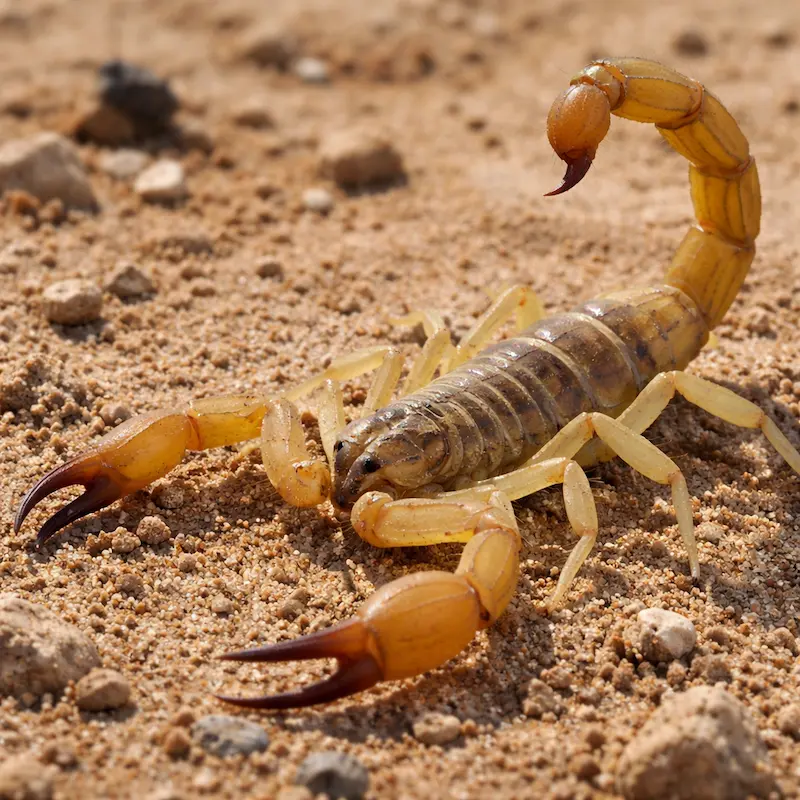
Scorpions are among the most unsettling pests you can encounter in northern Utah. While sightings are less common than in the desert south, scorpion populations do exist in parts of Box Elder County where dry soil, rock piles, and moisture access intersect.
At Brigham City Pest Control, we offer detailed scorpion inspection and treatment programs designed to reduce activity and keep these nocturnal pests from entering your home or business.
Request a Free Estimate
If you’ve spotted a scorpion indoors, around your porch, or near your foundation, contact us today. Fill out the free quote form, and we’ll follow up quickly to schedule a customized inspection and service quote.
No More Scorpions!
Scorpions are resilient, hiding in tight spaces during the day and emerging at night to feed on smaller insects. They can flatten their bodies to squeeze through cracks no wider than a credit card, which makes sealing and prevention crucial. Our team identifies problem areas, treats harborage points, and helps reduce the insect populations scorpions feed on—all key steps in controlling them long-term.
If you’ve seen a scorpion inside or near your property, you likely have conditions that attract them. Acting quickly prevents recurring infestations. Request a Free Estimate to start your scorpion control plan today.
Scorpion Problems We Fix
Although scorpions are less concentrated in northern Utah than in southern desert regions, they still pose problems in residential and rural properties throughout Box Elder County. We regularly address issues such as:
Scorpion Control Steps
Handling scorpions requires an organized and deliberate approach. Our process combines inspection, elimination, and prevention to provide dependable long-term control. Here’s an in-depth look at what you can expect when working with Brigham City Pest Control.
Step 1: Detailed Property Inspection
Every successful scorpion control effort starts with understanding the environment. We conduct a comprehensive inspection of both indoor and outdoor areas, including:
- Foundation cracks and concrete gaps
- Ventilation openings and attic access points
- Storage zones, especially where clutter accumulates
- Areas near lawns, gardens, and woodpiles
Using ultraviolet (black) light tools, we pinpoint scorpions that are otherwise difficult to notice in dark corners or against light-colored walls. We also assess environmental features that could attract scorpions, such as high insect activity or consistent outdoor lighting that draws their prey closer.
Step 2: Identification and Habitat Analysis
Different scorpion species behave differently under Utah’s conditions. Some burrow underground while others prefer to hide under stones or debris. Our specialists analyze where your problem stems from and how active the population is. Knowing their breeding patterns and feeding zones allows us to apply treatments more precisely.
If additional insects such as crickets, beetles, or spiders are present, we address both issues simultaneously because eliminating scorpions’ food supply is vital to long-term prevention.
Step 3: Customized Treatment Strategy
Once we know where the threat lies, we implement a personalized control plan. This may include:
- Application of control products along baseboards, foundation perimeters, and hidden voids.
- Dusting treatments in wall cracks, weep holes, or behind appliances.
- Exterior barrier treatments to stop scorpion migration from surrounding soil or vegetation.
- Targeted lighting adjustments to reduce insect activity that draws scorpions closer.
Each treatment method is selected for maximum efficiency and minimal disruption to regular household activity.
Step 4: Elimination of Food Sources and Shelter
Scorpions typically follow their food. To complement chemical treatments, we reduce surrounding pest populations and remove attractants. This includes addressing:
- Accumulated insects indoors and outdoors.
- Damp conditions under sinks, around sprinklers, or near the foundation.
- Nesting points like woodpiles, rocks, or stacked materials.
When these habitats are reduced, scorpion numbers drop naturally because they lose both shelter and sustenance.
Step 5: Sealing Entry Points and Physical Barriers
Preventing reinfestation is critical. Once interiors are cleared, sealing efforts provide long-term protection. We identify gaps around windows, utility openings, doors, and vents. Applying recommended exclusion techniques helps prevent reentry.
Some properties may require exterior caulking, mesh covers on vents, or trimming back vegetation that connects directly to walls. These structural adjustments form an additional barrier layer that complements chemical treatments.
Step 6: Ongoing Monitoring and Seasonal Prevention
Brigham City experiences dry summers and cold winters, which means scorpion activity fluctuates seasonally. We recommend follow-up inspections and seasonal reapplications during peak activity from late spring through early fall. These visits ensure barrier strength and detect any new shelter areas forming outdoors.
Scorpion management is rarely a one-time job—consistent monitoring is key to keeping the threat away permanently.
Though scorpions are relatively reclusive, their sudden appearance inside a home or workplace often causes distress. Utah’s climate, with alternating dry heat and cool nights, creates prime nighttime hunting conditions for these pests, especially around properties with moisture or insect presence.
Reduces risks of painful stings, especially for children and pets
Prevents infestations from spreading between nearby buildings
Removes the underlying insect populations that scorpions feed on
Makes basements, attics, and garages safer and more comfortable.
Helps maintain a clean, pest-free environment year-round.
Frequently Asked Questions
How common are scorpions in Brigham City?
While Brigham City is not as heavily populated with scorpions as southern Utah or Arizona, they are occasionally found in certain regions near the foothills and open terrain. Warmer microclimates and rocky soils along the Eagle Ridge and Perry areas create favorable shelter zones for northern desert scorpions. Properties on the outskirts with loose ground, vegetation, and piles of stones are more prone to occasional infestations.
What types of scorpions live in northern Utah?
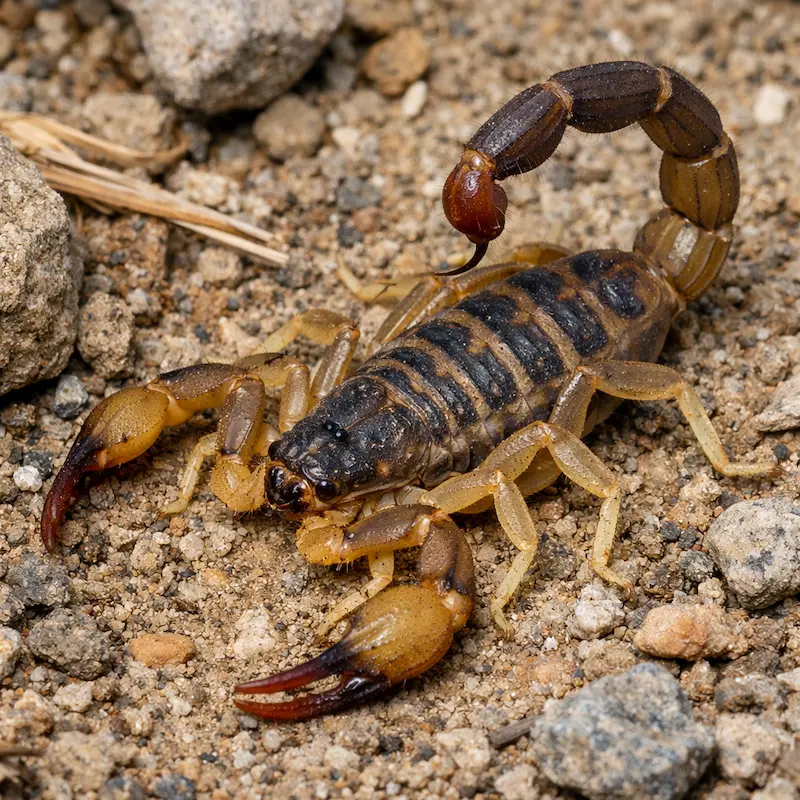
The scorpions most often seen in the Brigham City region include the northern desert scorpion (Paruroctonus boreus) and the lesser stripetail scorpion (Vaejovis confusus). Both species are relatively small, light brown, and nocturnal. They hide by day in cracks, clutter, or under rocks and venture out at night to hunt for insects. Fortunately, these scorpions are not considered deadly but can deliver a painful sting if provoked.
How much does scorpion control cost in Brigham City?
The cost depends on the size of your property, the extent of the infestation, and whether ongoing preventive service is needed. Most Brigham City homeowners can expect to pay between $150 and $300 for a typical scorpion treatment visit. Severe infestations or repeat follow-ups may cost more, especially for properties with extensive outdoor space or multiple entry points. We always provide free estimates before scheduling work so you know exactly what to expect.
When is scorpion activity highest in this part of Utah?
Scorpion sightings peak between late May and early September as temperatures rise. Warm night air, combined with irrigation or household moisture, attracts them. During cooler months, scorpions seek hiding places indoors or burrow deeper into the soil. Preventive treatment in spring provides strong protection before breeding and activity begin.
Do scorpions hibernate during winter in Brigham City?
Not exactly. Scorpions in Utah enter a dormant state during colder months, slowing their activity rather than disappearing entirely. They hide in deep soil cracks, under rocks, or within walls to escape freezing temperatures. However, if inside a climate-controlled structure like a basement or garage, they may stay intermittently active even in winter.
How can I tell if I have scorpions on my property?
You might notice shed exoskeletons, small burrows near stone foundations, or scorpions hiding in dark corners and moist spaces. Using a blacklight flashlight at night can help reveal them—scorpions fluoresce under ultraviolet light. Homeowners sometimes first notice them in garages, laundry rooms, or storage areas where clutter gathers.
Are scorpions dangerous?
Most scorpions found in northern Utah are not life-threatening, but their sting can be painful, similar to a bee or wasp sting. Reactions vary depending on sensitivity. Children, the elderly, or those with allergies may experience more discomfort. Controlling infestations reduces potential sting incidents and helps prevent unwanted nighttime surprises indoors.
How do scorpions get inside homes?
Scorpions are adept at fitting into small openings. They enter through:
- Gaps beneath exterior doors.
- Cracks in slabs or siding.
- Open weep holes in brickwork.
- Unsealed plumbing and utility entry points.
- Gaps around basement windows.
Sealing these entrances is a major part of preventing recurring infestations.
Does one scorpion sighting mean there are more?
Usually, yes. Scorpions tend to live in small localized populations. Spotting one suggests that conditions around your property (insect abundance, moisture, or shelter) support more nearby. We recommend scheduling an inspection to locate possible nesting areas and breeding points before the population expands.
How long does a professional scorpion treatment take?
A standard treatment typically lasts one to two hours, depending on property size and accessibility. During the process, we treat indoor harborage locations, baseboards, foundation edges, and outdoor perimeters. Larger or multi-level homes might take slightly longer.
How soon will I see results after treatment?
Most customers notice a sharp decline in sightings within a week or two of initial service. Residual control products continue working for several weeks. For long-term protection, quarterly or seasonal follow-ups are often scheduled to reinforce barriers and prevent re-entry.
Is the treatment safe for my family and pets?
Yes. Our scorpion control methods are applied with safety as a top priority. Treatments are carefully directed to cracks, crevices, and outdoor boundaries where scorpions travel, keeping exposure low for people and animals. We may recommend staying out of treated areas until surfaces are dry, typically about an hour.
Do scorpions come out after rain?
Yes. Scorpions are very sensitive to water levels in the soil. After rain or heavy irrigation, they often surface to seek drier ground or nearby shelter. This is when homeowners most frequently spot them inside garages or under outdoor furniture.
Do you treat both the house and the yard?
Absolutely. We address interior areas where scorpions hide and the exterior zones where they breed or enter the home. Outdoor treatments typically include foundations, yard perimeters, retaining walls, rock borders, and entry paths. Comprehensive coverage helps block migration from nearby hiding places.
How often should my property be treated for scorpions?
For most Brigham City residents, quarterly treatments or bi-monthly visits during active months maintain strong protection. Properties with recurring insect problems may benefit from more frequent service early on, followed by a maintenance schedule once the population drops.
Do you offer services for businesses too?
Yes. We help restaurants, storage facilities, and other local businesses create scorpion-free environments. Eliminating pests in commercial settings helps maintain safer workspaces and a better impression for customers. Treatment schedules can be arranged outside business hours for convenience.
Take Back Your Home from Scorpions
Don’t wait until scorpions make their way inside. The sooner you address the problem, the easier it is to stop new infestations from forming. Start today by filling out our Free Estimate form below.