Bat Removal Services
Safe, Humane Solutions for Nuisance Bat Problems
Bats are an important part of Utah’s ecosystem, keeping mosquito and insect populations balanced. But when they roost inside homes, attics, or commercial buildings, they create serious sanitation and safety problems. At Brigham City Pest Control, our professional bat removal service focuses on identifying entry points, safely excluding bats, and preventing their return.
Our approach is humane and thorough, using well-established methods to remove bats without harming them while restoring the cleanliness and safety of your attic, walls, or outbuildings. From historic homes near downtown Brigham City to newer properties near Kotter Canyon, our team understands that bat problems require a careful balance: effective exclusion combined with respect for wildlife regulations.
If you’ve noticed scratching sounds, droppings, or a strong ammonia-like odor coming from your attic or vents, it’s time to act. We can inspect your property, confirm bat activity, and create a plan that keeps them out for good.
Bat Removal Free Estimate
Start restoring comfort and safety to your home or business today. Fill out the form below to request a free estimate and we’ll contact you promptly to schedule an inspection.
Why Bat Removal Is Important
Leaving bats inside a building doesn’t just pose nuisance problems; it can result in damage and health risks over time. Bats continually produce droppings (guano), which accumulate beneath their roosting area. This material is corrosive, attracts insects, and often leaves strong ammonia odors that filter through your HVAC system.
Bat infestations can:
- Damage insulation, drywall, and wooden beams with moisture and droppings.
- Introduce mites and secondary pests that spread through attic or wall voids.
- Pose health concerns when guano spores contaminate indoor air.
- Stain exteriors around entry holes, creating visible dark streaks or oily patches.
- Frighten residents or tenants, causing stress and loss of comfort in living spaces.
Because bats return to the same roost each year, ignoring them for even one season often turns a small issue into repeated invasions. Prompt removal helps preserve both your property and your peace of mind.
Bat Problems We Address
Bats prefer quiet, elevated areas close to warmth and darkness, which makes attics and upper-level structures the perfect habitat. In Brigham City and surrounding areas, we frequently help homeowners and property managers resolve:
Bat Removal Process
Our bat control service process is detailed and methodical, addressing every stage of infestation from inspection to post-removal prevention. Here’s what you can expect when working with Brigham City Pest Control.
Step 1: Thorough Inspection and Species Identification
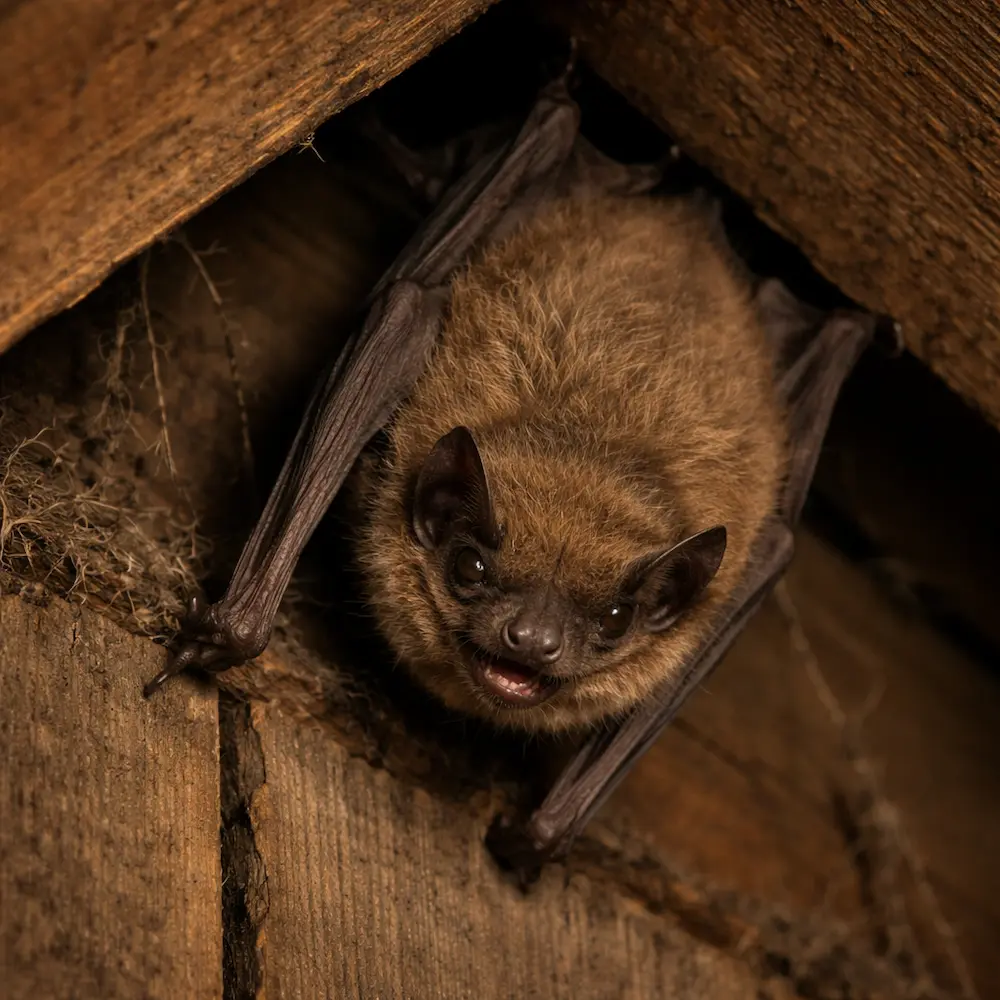
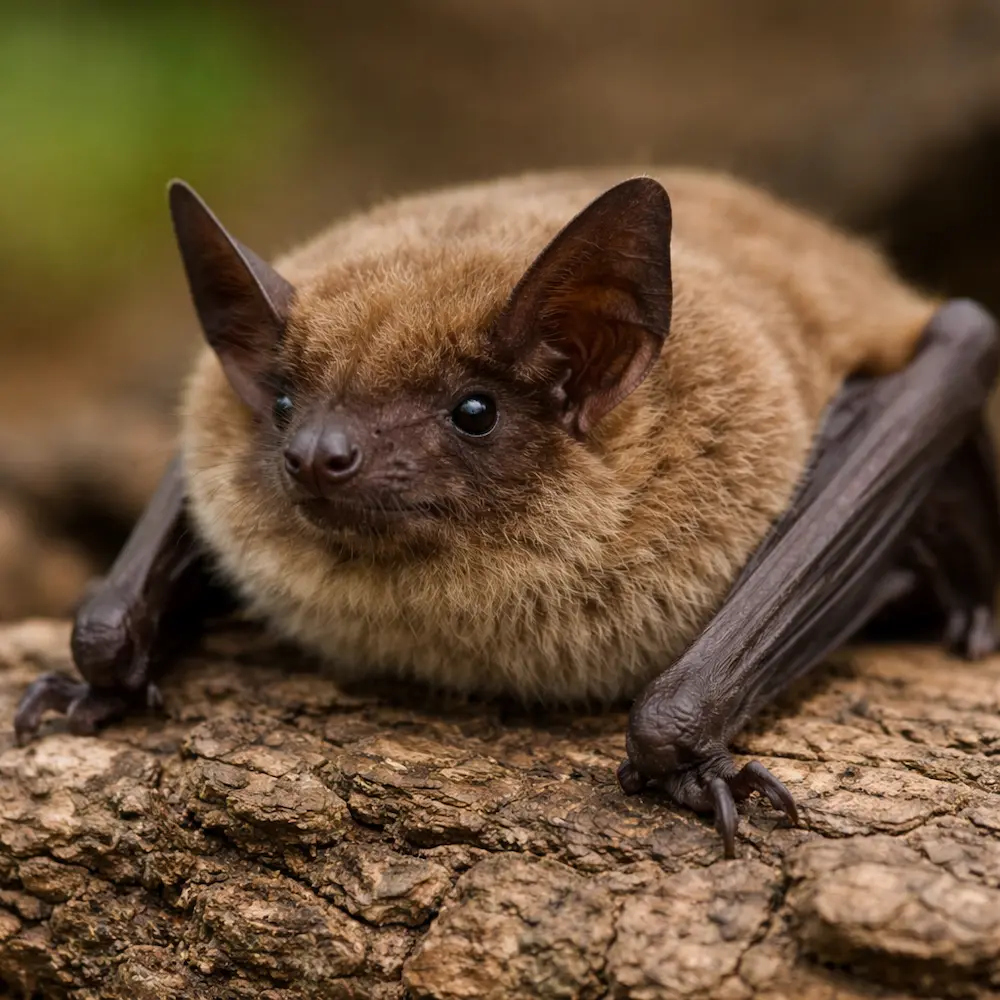
Every project begins with a detailed property inspection. Bats in Utah typically include big brown bats and little brown bats, both common species that form colonies in attics, barns, and sheds. We examine your structure for telltale signs, such as guano accumulation, grease marks near entry points, and faint squeaking noises behind walls.
We also determine colony size and entry timing. Because bats are nocturnal, sightings in early morning or dusk can pinpoint active routes. By mapping these access points, we develop a removal plan without damaging building materials.
Step 2: Timing the Removal Properly
Bat control timing is critical. Maternity season in northern Utah usually occurs from May through August, when young bats are unable to fly. During this period, exclusion must be approached carefully to avoid trapping pups inside. Our team schedules removals at appropriate times of year to ensure humane outcomes.
Understanding these life cycles is important for long-term success. Removing bats when they are capable of flight allows safe relocation while eliminating future return risks.
Step 3: Exclusion Procedure
Once inspection and timing are complete, we install one-way exclusion devices at key entry points. These professionally designed fittings allow bats to exit but not reenter. All other cracks, vents, and crevices are sealed once the bats have fully vacated.
This stage typically lasts several nights, depending on colony size and weather conditions. Continuous monitoring confirms that all bats have safely left before further sealing occurs.
Step 4: Cleaning and Sanitation
After the colony has been excluded, we thoroughly clean and sanitize affected areas. Bat guano can contain spores associated with Histoplasma capsulatum, a fungus that causes respiratory illness. Proper cleaning procedures restore air quality and prevent health issues.
We remove contaminated insulation where necessary, wipe down surfaces, and apply odor control solutions. This step is crucial for both cleanliness and comfort, ensuring no residual odor remains once the infestation is cleared.
Step 5: Structural Repair and Prevention
To prevent return visits, we reinforce vulnerable areas using barriers such as screens and weatherproof sealants. Common sealing points include roof gaps, loose fascia, attic vents, and ridge lines. For larger gaps around chimneys or eaves, we apply mesh materials specially designed for bat-proofing without affecting air circulation.
We also provide preventive recommendations—adjusting outdoor lighting, maintaining roof conditions, and checking siding for small separations—to help maintain long-term results.
Step 6: Follow-Up Observations
After removal and sealing, we perform a follow-up visit to confirm that bats have not reappeared. Continuous communication ensures the solution remains effective. Seasonal rechecks may be recommended depending on environmental factors or the age of the building.
This systematic process creates dependable results—both humane and effective—so you can enjoy a bat-free home or workplace.
After removal, small environmental changes can make your home less inviting to bats. Here are a few measures you can adopt:
Inspect your home seasonally
Check upper walls, vents, and soffits for new cracks or gaps.
Maintain attic ventilation screens
Replace loose or damaged mesh that allows access.
Reduce insect attraction
Limit outdoor lighting at night and keep your yard clear of standing water.
Seal around chimneys and rooflines
Use weatherproof materials to close gaps larger than a half-inch.
Keep eaves and gables clean
Remove debris nests from birds or wasps that can attract bats afterward.
Seasonal Bat Behavior in Northern Utah
Understanding seasonal behavior helps homeowners anticipate potential bat concerns:
Spring
Bats return from hibernation and seek roosting areas for the season. Early inspection during this time prevents nesting.
Summer
Highest activity period. Colonies breed and raise offspring, often in attics or barns.
Fall
Bats migrate or move into deeper shelters for warmth. Exclusion work is ideal before winter sets in.
Winter
Activity slows as most species hibernate. This is an excellent time to repair damage or perform preventive sealing before they return in spring.
Frequently Asked Questions
How common are bat problems in Brigham City?
Bats are more common in Brigham City than many residents realize. The city’s mix of older homes, open farmland, and proximity to the foothills of the Wellsville Mountains creates ideal bat habitats. Properties near Eagle Ridge and the valley outskirts tend to see the most bat activity due to open nighttime feeding areas and nearby water sources. Summer evenings often bring increased movement as bats forage for insects across the region.
What kinds of bats are typically found in northern Utah?
The most frequent species in and around Brigham City include the big brown bat (Eptesicus fuscus), little brown bat (Myotis lucifugus), and occasionally the hoary bat (Lasiurus cinereus). Big brown bats commonly roost in attics or barns, while little brown bats prefer buildings closer to water. Telltale signs like small, dark droppings under eaves or scratching near rooflines often indicate one of these species is inside.
How much does bat removal cost?
Costs vary depending on colony size, level of contamination, and access points. On average, homeowners in Box Elder County typically spend between $250 and $700 for professional inspection and exclusion. Heavily infested attics requiring sanitation or insulation replacement may cost more. Each situation is different, so we always begin with a detailed inspection and customized quote. Every estimate from us is free and includes a full outline of your property’s condition.
Why do bats choose to roost in homes or attics?
Bats look for safe, warm, and dark spaces to rest during the day. In northern Utah, changing weather patterns make attics and barns perfect substitutes for their natural caves. Gaps under tiles, vents, fascia boards, and ridge caps often provide easy access. Once a few bats enter, they leave scent trails that attract others to the same site.
Are bats dangerous to people or pets?
While bats are not inherently aggressive, their presence indoors can create health risks. Droppings (known as guano) can lead to unpleasant odors and may carry fungal spores associated with histoplasmosis, a respiratory condition. Additionally, though rare, bites can transmit rabies. It’s always best to avoid contact and let professionals manage removal and sanitization safely.
What signs suggest there are bats in my house?
Common indicators include:
- Scratching or squeaking noises in attic walls or ceilings after dusk.
- Small black droppings clustered near roof vents, chimneys, or window sills.
- Oily streaks or stains around cracks and roofing gaps used as entry points.
- Sudden foul or musky odor in upper floors or crawlspaces.
- Sightings of bats exiting around sunset from the same area nightly.
If you notice any of these signs, schedule an inspection promptly—bats rarely leave on their own.
Do bats hibernate in Brigham City during winter?
Yes. Most Utah bat species hibernate through winter in sheltered locations, such as caves, mines, or deep building crevices. However, some may overwinter inside homes if the temperature stays stable, particularly near heated attics. Homeowners sometimes discover them midwinter when noise or odor appears unexpectedly. Exclusion is typically delayed until warm months to ensure safe relocation.
How do you remove bats without harming them?
We use humane exclusion devices that allow bats to exit safely but block reentry. Once we confirm that all bats have left, we seal the openings permanently. No traps or harmful chemicals are used at any point. This humane approach protects both your property and the beneficial role bats play in controlling insects across Utah’s farmlands and neighborhoods.
How long does the removal process take?
The exclusion process typically takes three to seven days, depending on the colony’s size and habits. The initial inspection and preparation occur on the first visit, followed by the installation of exit devices. We then monitor the site over several nights to ensure all bats have departed before sealing remaining gaps.
Is bat guano dangerous?
In small quantities, guano is mostly a nuisance. In larger colonies, buildup can create respiratory risks due to fungal growth. The spores of Histoplasma capsulatum, found in some guano, become airborne if disturbed. Our cleanup method uses safe containment and disinfection to reduce exposure while restoring air quality in affected spaces.
How can I prevent bats from getting back in?
Sealing structural gaps is the best defense. After removal, we inspect for common reentry points and apply fine mesh, caulk, or metal flashing to deter future intrusions. Additional preventive steps include keeping attic vents screened, repairing damaged shingles, and checking eaves and siding each spring. Reducing outdoor insect attractants through lighting adjustments can also help.
Do you offer bat removal for commercial buildings as well as homes?
Yes. Commercial buildings, warehouses, and barns in Brigham City often provide ideal bat roosts due to large open rafters and minimal disturbance. We provide customized exclusion services for both small and large structures, with scheduling options that minimize downtime for your business.
Are there specific local laws about handling bats in Utah?
Yes. In Utah, bats are protected wildlife species. It is illegal to kill them, and exclusions during maternity periods must allow all animals to leave safely. Our process follows state wildlife regulations, ensuring all removals are humane and compliant. We carefully schedule timing to align with ethical standards and seasonal restrictions.
How soon should I schedule inspection if I suspect bats?
Immediately. Waiting often allows colonies to grow, which increases cleanup complexity and cost. Early inspection can confirm whether it’s a small invasion or a larger nesting colony. Simply fill out our Free Estimate form on the page, and we’ll contact you promptly to set up a professional assessment at a convenient time.
Protect Your Home with Professional Bat Removal
Don’t allow bats to disrupt your comfort or damage your property. The earlier you act, the easier exclusion becomes. Our specialists will identify, remove, and help you prevent future infestations while preserving Utah’s beneficial bat populations.
Request Your Free Bat Removal Estimate Today!