Ant Extermination Service
Reliable Ant Control for Brigham City
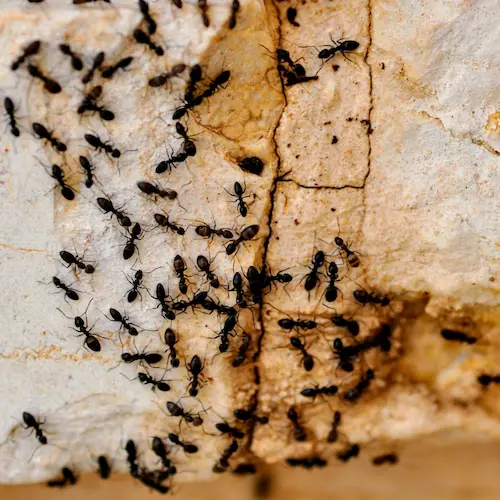
Ant infestations are one of the most common pest issues faced by property owners in Brigham City.
Brigham City Pest Control offers ant extermination services designed to help property owners address these situations efficiently. Our approach focuses on identifying the type of ant activity present, locating likely nesting areas, and applying targeted control strategies that help reduce ant populations and disrupt the trails that lead them indoors.
Request a Free Estimate for Ant Extermination
If ants have begun appearing inside your home or business, taking action early can help prevent the colony from expanding and creating additional trails throughout the property.
Our ant extermination services helps property owners understand the nature of the infestation and explore practical options for addressing it.
Signs You Have an Ant Infestation
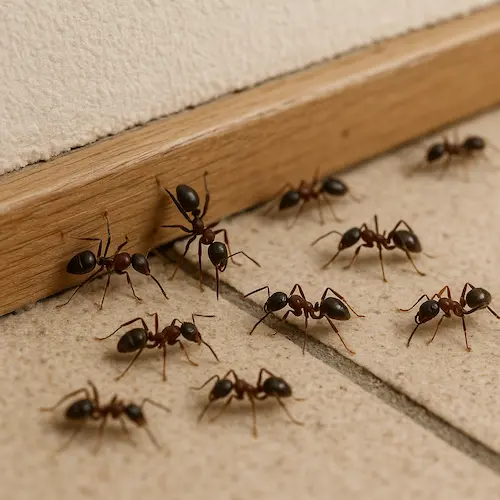
• Lines of ants moving along floors or walls
• Small piles of dirt or sand near cracks in flooring
• Ants gathering around sugary foods or spills
• Winged ants appearing near windows or lights
• Ants emerging from small wall or floor openings
Common Ant Problems We Help Address
Ant infestations can occur in a wide range of locations around homes and buildings. Some of the most frequent issues property owners encounter include:
What to Expect From Our Ant Extermination Process
Many property owners want to know what happens during the ant extermination process and how the service works. Effective ant control involves several steps that focus on understanding the infestation, locating the colony or colonies involved, and applying strategies designed to interrupt ant activity.
Step 1: Gathering Information About Ant Activity
The process begins by collecting information about the ant activity you have observed. Property owners often notice ants in certain rooms or during specific times of day. This information helps identify patterns that may reveal where ants are entering and what resources they are seeking.
Common observations that are helpful include:
• Locations where ants are most frequently seen
• Times of day when activity appears highest
• Whether ants appear individually or in long trails
• Whether ants are found near food sources, sinks, or garbage areas
• Whether ants appear near doors, windows, or baseboards
These details provide valuable clues that help guide the next steps in the inspection.
Step 2: Inspection of Interior Areas
Interior inspection focuses on identifying active trails and determining how ants are moving through the building. Worker ants often travel along baseboards, edges of floors, or corners where walls meet.
During the inspection, attention is often given to:
• Kitchen cabinets and pantry shelves
• Countertops and food preparation surfaces
• Areas beneath sinks where moisture may be present
• Baseboards and wall edges
• Windowsills and door frames
• Utility entry points where pipes or cables pass through walls
Following the direction of ant trails can sometimes lead to entry points or hidden access routes used by the colony.
Step 3: Inspection of Exterior Areas
Because many ant colonies exist outside the building, exterior inspection is an important step. Ants may nest in soil, under rocks, beneath landscaping features, or within wooden structures.
Exterior inspection commonly includes:
• Foundations and exterior walls
• Landscaping beds and mulch areas
• Edges of sidewalks or driveways
• Tree roots and garden areas
• Outdoor trash or recycling areas
• Areas where moisture accumulates near the structure
Identifying potential nesting sites helps determine where ant activity may be originating.
Step 4: Identification of Ant Species
Different types of ants may behave differently and prefer different nesting environments. Identifying the species can provide insight into where the colony may be located and how it is structured.
For example:
• Some ants prefer nesting in soil outdoors.
• Others may establish nests within wooden structures.
• Certain species are more likely to invade kitchens and food storage areas.
Understanding the species involved allows the control approach to be better suited to the specific situation.
Step 5: Strategic Placement of Control Measures
After the inspection phase is complete, control measures are placed in areas where ants are actively traveling. Because ants rely heavily on scent trails to guide their movement, placing treatments along these routes increases the likelihood that worker ants will encounter them.
Placement may occur in locations such as:
• Along baseboards where trails have been observed
• Near entry points around doors and windows
• Along exterior foundation lines
• Near outdoor nesting areas
• Around plumbing penetrations or utility openings
This targeted placement helps address the colony through the movement of worker ants that interact with the treatment areas.
Step 6: Monitoring Changes in Ant Activity
Ant behavior often changes as the colony reacts to disturbances in its environment. Monitoring activity after treatment allows adjustments to be made if needed and helps track whether ant movement is decreasing.
Monitoring may involve observing:
• Whether trails are becoming shorter or disappearing
• Whether ants are appearing in new areas
• Whether activity is shifting outdoors
• Whether fewer ants are being seen over time
Understanding these changes provides valuable information about how the control approach is progressing.
Step 7: Environmental Adjustments and Prevention
In addition to direct control methods, addressing environmental conditions can help reduce the likelihood of future infestations. Ants are attracted to environments that provide food, water, and shelter.
Common preventative steps include:
• Storing food in sealed containers
• Cleaning crumbs or spills promptly
• Sealing small cracks or gaps along exterior walls
• Keeping trash containers closed
• Reducing moisture near foundations
• Trimming vegetation that touches the building exterior
These adjustments help make the property less attractive to foraging ants.
Frequently Asked Questions
What types of ants are most common in Brigham City homes?
Several types of ants are commonly found in Brigham City and throughout Box Elder County. The most frequently reported species include pavement ants, odorous house ants, and carpenter ants. Pavement ants often nest beneath sidewalks, driveways, and concrete slabs, while odorous house ants are well known for forming long indoor trails toward sweet foods. Carpenter ants tend to nest in damp or damaged wood and are sometimes found in wall cavities, decks, or structural wood elements.
Local climate and soil conditions influence where ants prefer to nest. Because Brigham City experiences warm summers and cold winters, many ant colonies expand during the warmer months and seek food indoors when outdoor conditions are dry. Identifying the type of ant activity present is helpful for determining where colonies may be located and how they are interacting with the property.
Why are ants suddenly appearing inside my home?
Ant infestations often seem to appear suddenly, but in many cases the colony has been nearby for some time. Worker ants are constantly exploring new areas for food and water. When one ant finds a reliable food source, it leaves a scent trail that other ants follow.
This is why a small number of ants can quickly turn into a visible trail along a wall or countertop. Once the trail is established, more ants from the colony will continue following the same route until the source is removed or the trail is disrupted.
Changes in weather can also trigger ant activity indoors. Periods of heat or dry conditions may encourage ants to search for moisture inside buildings. Likewise, heavy rainfall can disturb outdoor nests and push ants toward higher, drier ground, which may include nearby homes.
Are ant infestations common in Brigham City neighborhoods?
Yes. Ant activity is very common throughout residential areas in Brigham City. Neighborhoods such as Eagle Mountain, Holmgren Estates, and areas near the foothills of the Wellsville Mountains often experience ant activity because of the combination of landscaping, soil conditions, and seasonal weather patterns.
Homes with gardens, irrigation systems, and mature landscaping can create ideal environments for ant colonies. Soil that remains moist or shaded areas around foundations can also support outdoor nesting sites.
Because ants are able to travel long distances between their nest and food sources, a colony located several yards away can still produce regular indoor activity if a reliable food source is discovered.
How much does ant extermination typically cost?
The cost of ant extermination services in Brigham City can vary depending on several factors. Each property and infestation is different, so estimates are usually based on the specific conditions present.
Factors that may influence cost include:
• The size of the property
• The severity of the ant infestation
• Whether activity is primarily indoors or outdoors
• The number of areas where ants are active
• The type of ant species involved
Some infestations may be relatively localized and easier to address, while others involve multiple nesting areas around the property. Because of these variables, the best way to understand pricing is to request a free estimate by filling out the form on this page.
Can ants cause damage to my home?
In many cases ants are primarily a nuisance, especially when they invade kitchens or food storage areas. However, certain species can cause property damage under the right conditions.
Carpenter ants are one example. Unlike termites, they do not eat wood, but they tunnel through it to create nesting galleries. If carpenter ants establish nests in structural wood that has been softened by moisture, this can lead to damage over time.
Even ants that do not damage wood can still contaminate food surfaces and storage areas as they travel through kitchens and pantries. Because ants travel through many different environments while foraging, they may carry debris or bacteria onto countertops or food packaging.
How do ants get inside houses?
Ants are extremely small and can enter structures through openings that are barely visible. In Brigham City homes, common entry points include:
• Small cracks in foundations
• Gaps around window frames
• Spaces beneath exterior doors
• Openings where plumbing lines pass through walls
• Vents or utility penetrations
Landscaping can also play a role. Tree branches, shrubs, or vines that touch exterior walls can act as bridges that allow ants to reach higher parts of the structure. Once ants find a small gap or opening, they may repeatedly use that access point while traveling between their nest and a food source inside the building.
What time of year are ant problems most common in Brigham City?
Ant activity typically increases during late spring and summer when temperatures rise and colonies expand. During these months, ants are actively searching for food to support growing populations.
In Brigham City, activity often begins increasing in April or May and may continue throughout the warmer months. Hot and dry summer weather can also encourage ants to search indoors for water sources.
Another time when ants may appear is during late summer or early fall when certain species produce winged reproductive ants. These winged ants may gather near windows or lights as they prepare to leave the colony and establish new nests.
How long does it take to address an ant infestation?
The timeline for addressing an ant infestation varies depending on the size of the colony and where it is located. Some infestations involve a single colony near the building, while others involve multiple nesting areas spread across a yard or landscape.
Because ants are social insects with large colonies, the process often involves observing how ant activity changes over time as control measures interact with the colony. Monitoring helps determine whether additional adjustments are needed.
Visible ant activity may begin to change as worker ants encounter treatment areas and scent trails are disrupted. However, the complete process can take time as the colony structure is affected and worker numbers decline.
Why do ants keep returning after I clean my kitchen?
Cleaning food surfaces can reduce the likelihood of attracting ants, but it does not always remove the scent trails that ants use for navigation. Ants communicate with one another using chemical signals that mark paths between their nest and food sources.
Even if the food itself has been removed, ants may continue following these invisible trails until they gradually fade or are disrupted. This is why ants sometimes return to the same location repeatedly, even after it has been cleaned.
Once the trail is established, worker ants may keep exploring the area in case new food appears.
Can I eliminate ants using store bought products?
Many property owners try store bought sprays or bait stations before seeking professional assistance. These products may reduce visible ants temporarily, but they do not always address the entire colony.
Sprays that kill ants on contact may eliminate the worker ants currently visible, but they may not affect the larger nest where thousands of other ants remain. Because the colony continues producing new workers, activity may return after a short period.
Additionally, some ants may avoid areas where sprays have been applied, causing them to form new trails in different parts of the home. This can make the infestation appear to spread rather than disappear.
Are outdoor ant colonies responsible for indoor infestations?
In many cases, yes. A large percentage of indoor ant problems originate from outdoor nests. Worker ants leave the nest each day to search for food and water, and they may travel long distances while doing so.
If they discover a food source inside a home, they may repeatedly travel back and forth between the outdoor colony and the indoor location. This can create the appearance that ants are living inside when the nest is actually located outside.
Understanding where the colony is located helps determine the most effective strategy for addressing the infestation.
Start Addressing Ant Problems Today
Ant infestations rarely resolve on their own. If ants are appearing in your home, garage, kitchen, or outdoor spaces, complete our estimate request form and an ant exterminator will reach out: