Gopher, Squirrel & Mole Control Services
Protecting lawns, gardens, and landscapes from burrowing pests.
Gophers, ground squirrels, and moles can cause fast and extensive damage to residential lawns, ornamental gardens, agricultural plots, and commercial green spaces. These burrowing pests work largely out of sight, tunneling beneath turf and soil while the evidence of their activity accumulates above ground in the form of mounds, ridges, dead grass, and destabilized terrain. By the time most property owners realize the problem is serious, the damage is already significant.
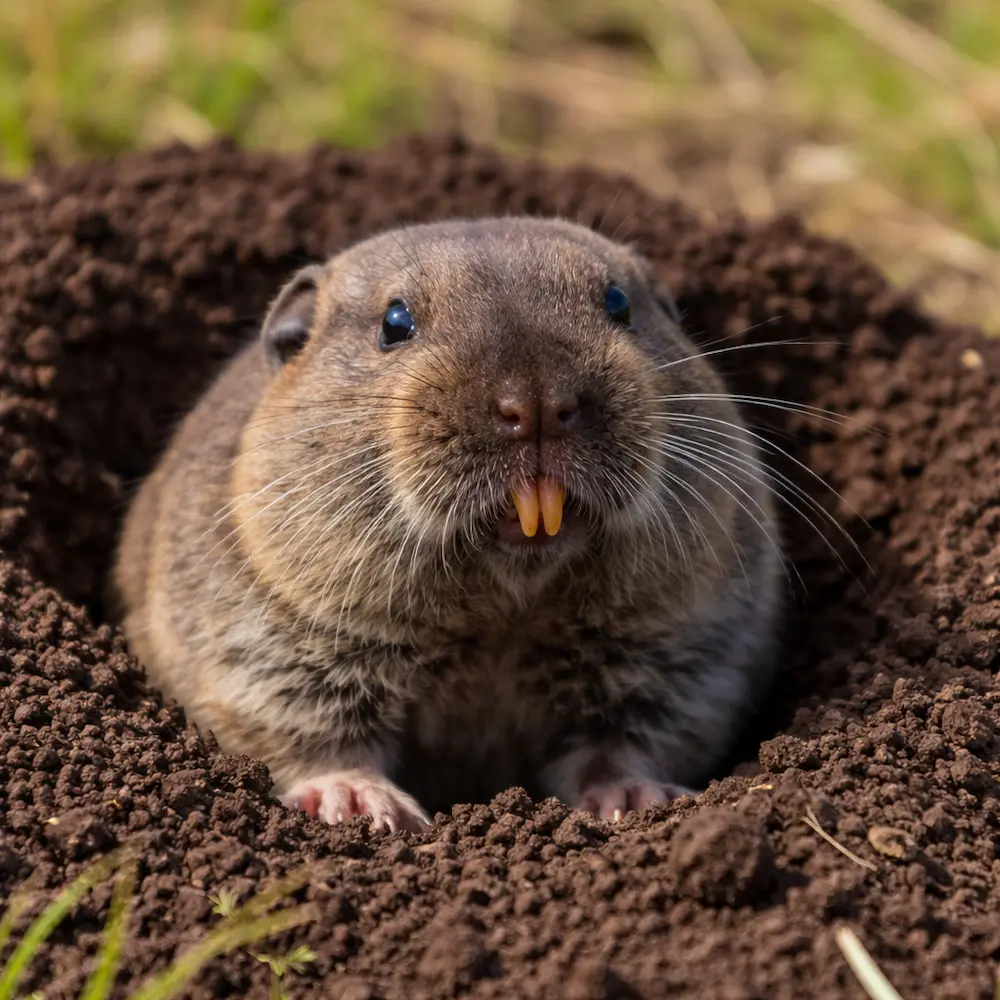
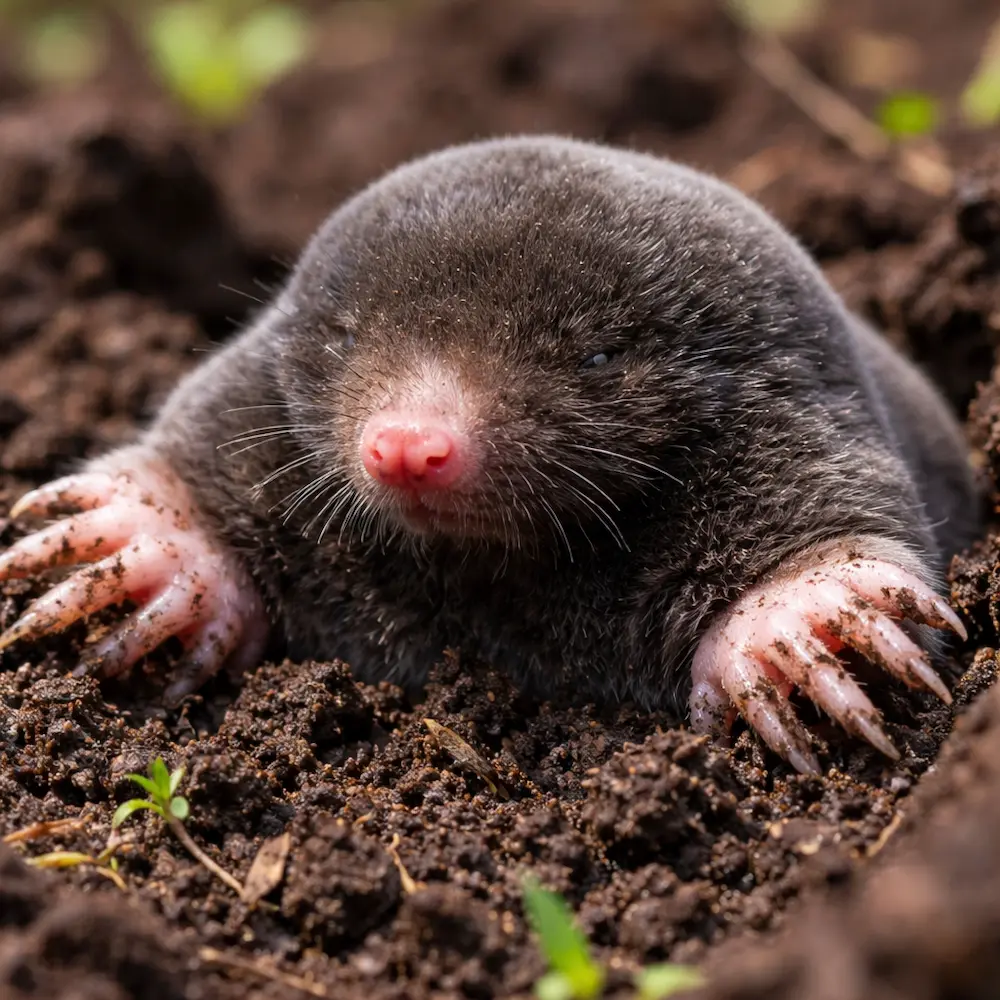
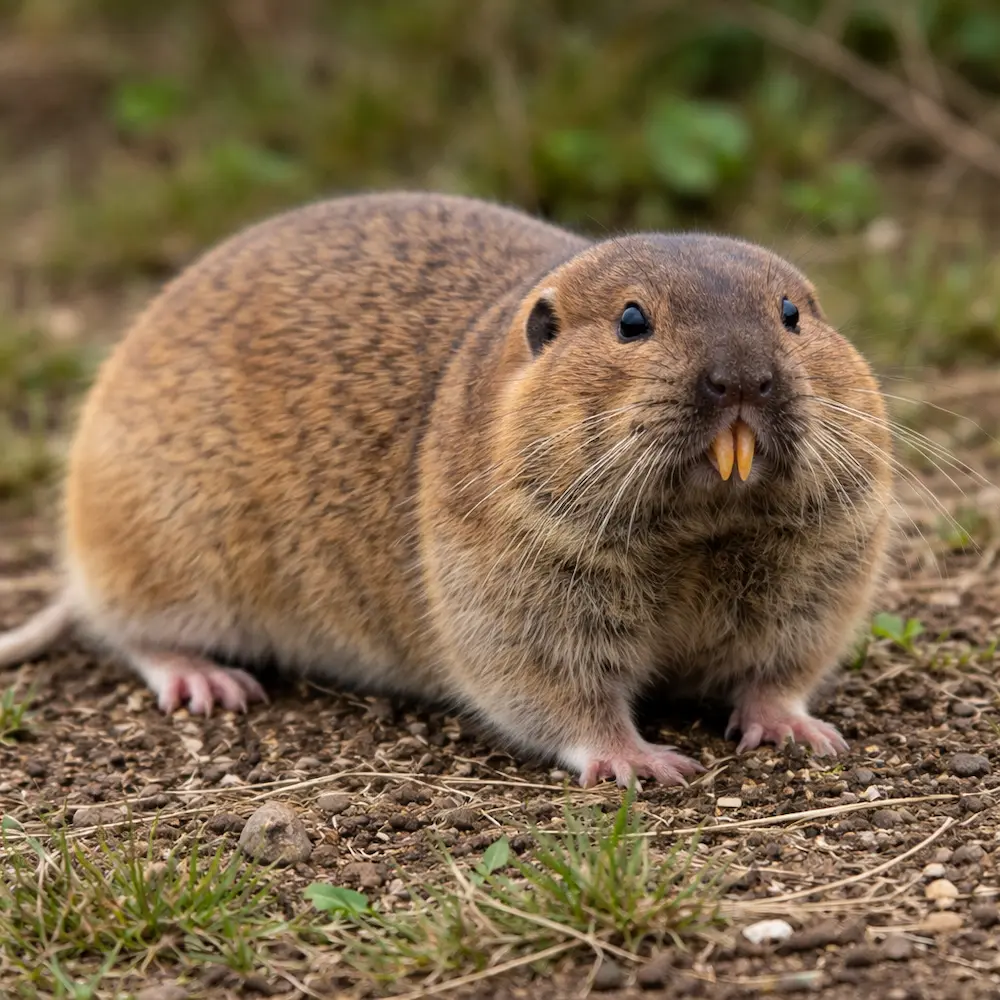
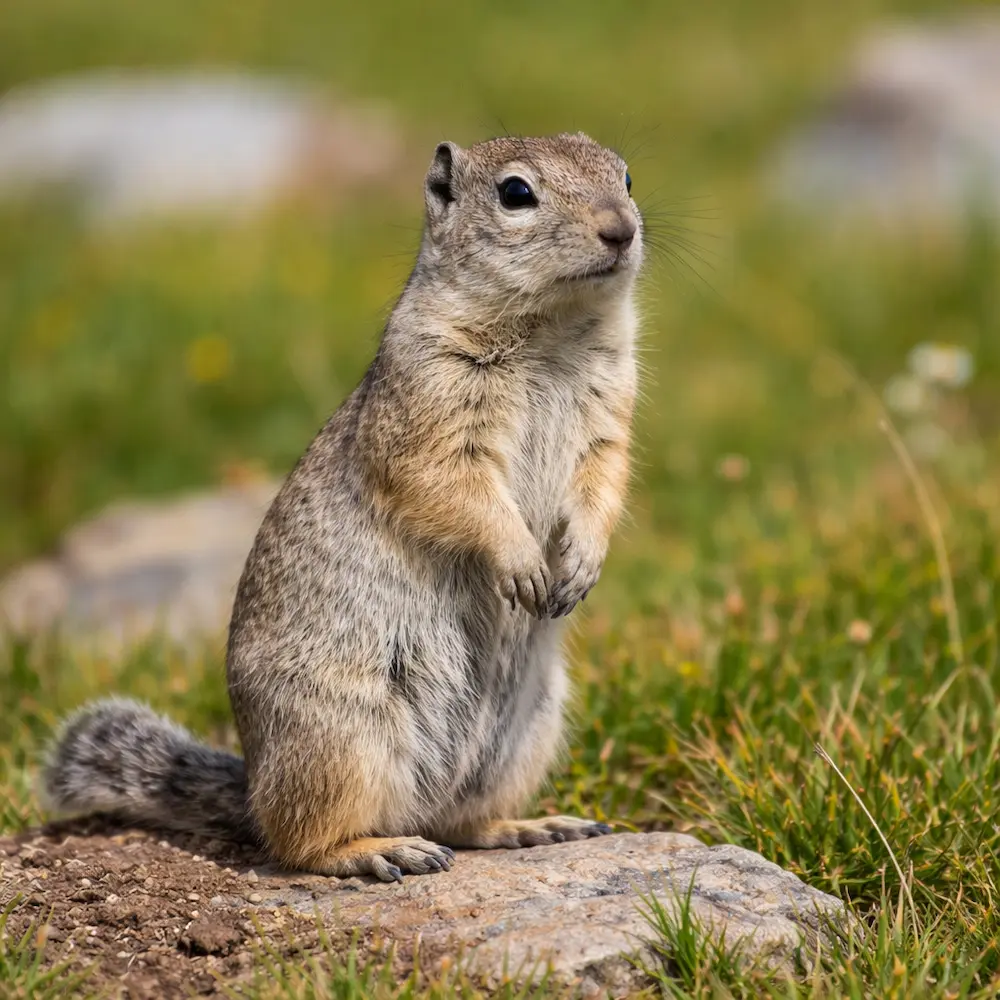
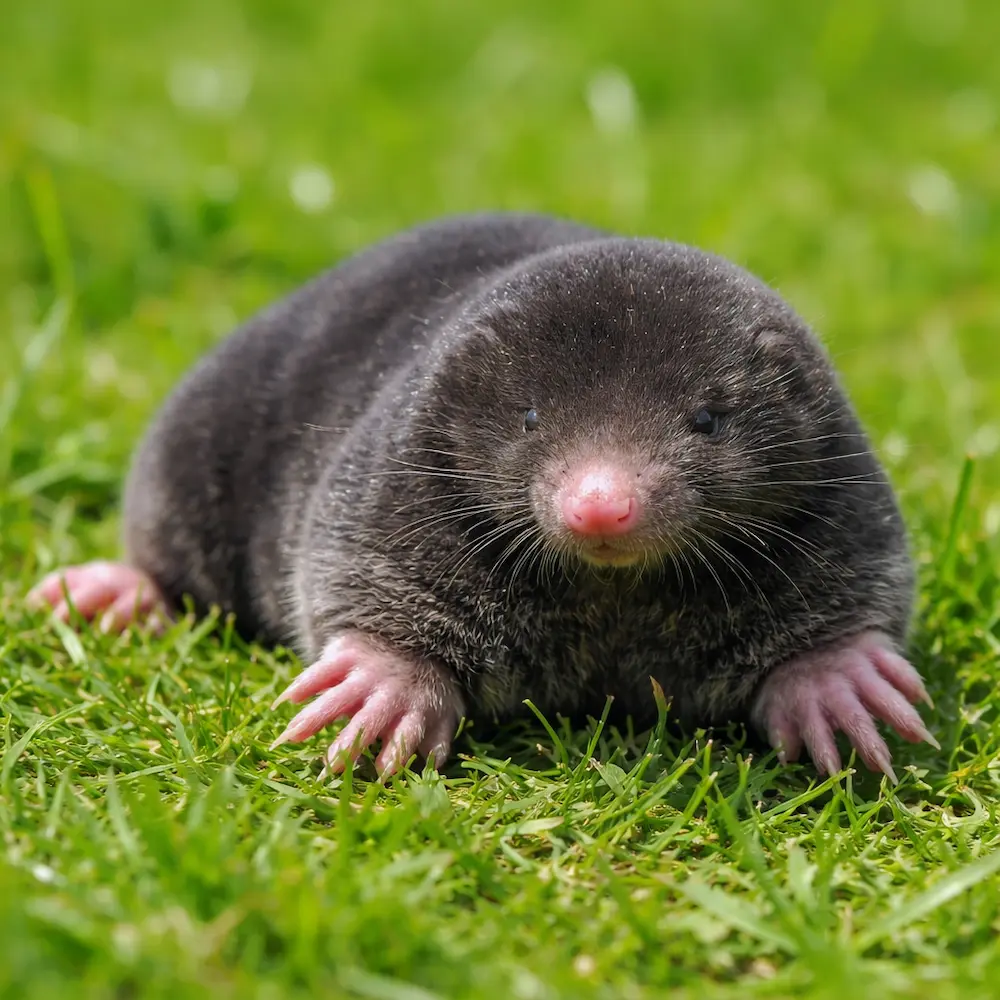
Whether you are dealing with pocket gophers carving up your backyard, Bonneville ground squirrels colonizing an open lot, or a mole running its feeding tunnels through your lawn, a targeted professional approach produces far better results than DIY methods that address only the visible surface activity.
Request Your Free Burrowing Pest Estimate
If gophers, ground squirrels, or moles have been working their way through your lawn or garden, do not wait for the damage to compound.
Fill out the short form and a pest professional serving the Brigham City area will reach out to discuss your situation, answer your questions, and provide a no-obligation estimate for service.
Burrowing Pests in Northern Utah
Box Elder County’s mix of irrigated lots, open range land, and agricultural fields creates ideal conditions for burrowing pests to thrive and move freely between properties.
The Northern pocket gopher is the dominant species in this part of Utah and a prolific tunneler. Activity peaks in spring and early summer when snowmelt and irrigation soften the soil, making this the most effective window for population control before breeding begins.
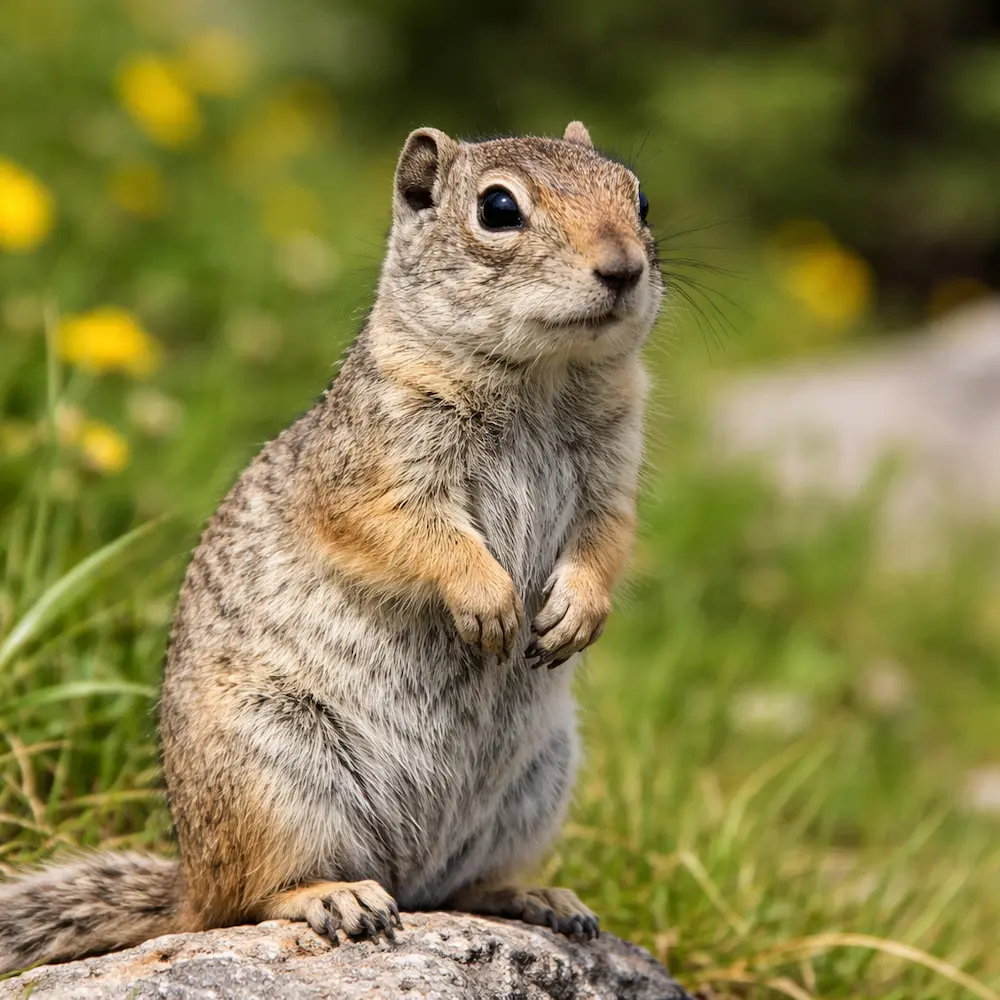
The Uinta ground squirrel is the primary ground squirrel species in the area, commonly found in open lots, pastures, and roadside margins. Colonies are active from spring through mid-summer before entering estivation, so the treatment window is relatively narrow and timely action matters.
Moles are most active in heavily irrigated residential lawns with loamy, earthworm-rich soil. Well-maintained and fertile yards are not immune and are often among the most affected.
Burrowing Pest Damage We Can Help Resolve
The damage caused by gophers, moles, and ground squirrels is more varied and more costly than many property owners expect before experiencing it firsthand. Here are some of the most frequent problems our professionals are called in to address:
Detailed Look at Burrowing Pest Control
Burrowing pest control requires a methodical, species-informed process that unfolds over multiple stages. Unlike surface-level pest treatments that can be applied relatively quickly, controlling gophers, moles, and ground squirrels demands a working knowledge of their underground behavior, their feeding and travel patterns, and the layout of the specific tunnel or burrow system on your property. Here is a thorough walkthrough of what the process looks like when you work with a specialist through Brigham City Pest Control.
Step 1 Initial Consultation and Property Discussion
After you submit your estimate request, a pest professional will contact you to gather more detailed information about your situation before any site visit takes place. During this conversation, the specialist will ask about the type of damage you are observing, how long the problem has been present, the approximate area affected, what types of plants or landscape features are involved, and whether you have noticed any actual animals above ground. This background helps the technician arrive at your property prepared with the right tools, materials, and working hypotheses about which species is involved and how extensive the infestation may be.
Step 2 On-Site Species Identification
Accurate identification of the pest species is the single most important factor in selecting an effective control strategy, and it is the first thing a technician does upon arriving at your property. Gophers, moles, and ground squirrels each leave distinctly different signs above ground. Pocket gopher mounds are typically larger, fan-shaped or crescent-shaped, and plugged with soil at the exit hole. Mole activity produces soft, raised ridges across the lawn surface with rounded volcano-shaped mounds at push-up points. Ground squirrel burrows are open, vertical or angled holes with excavated soil spread around the entrance. The size, shape, location, and pattern of surface signs, combined with the type of property and vegetation present, allow an experienced professional to make a confident identification in most cases.
Step 3 Active Tunnel and Burrow Mapping
Once the species is confirmed, the technician maps the active portions of the tunnel or burrow system. For gophers and moles, this involves probing the soil at regular intervals along tunnel ridges and near mound locations to locate the main lateral tunnels running beneath the surface. Pocket gophers use a branching tunnel system with a central deep burrow for nesting and food storage, connected to lateral foraging tunnels at shallower depths. Moles travel along preferred surface feeding runs which they may use repeatedly, as well as deeper travel tunnels connecting multiple feeding areas. Identifying which portions of the tunnel network are currently active versus abandoned is critical because placing traps or bait in inactive tunnels produces no results. For ground squirrels, the specialist assesses the size of the colony by counting active burrow entrances, looking for fresh soil disturbance, and identifying primary travel corridors between burrows and food sources.
Step 4 Control Method Selection and Explanation
With an accurate picture of the species, population size, and tunnel or burrow layout, the technician develops a control plan and explains it to you in full before any work begins. The available control methods each have appropriate applications depending on the circumstances. Trapping is highly effective for pocket gophers and moles, involves placing mechanical traps directly inside active tunnels at locations identified during mapping, and is appropriate for all property types including gardens and areas near children or pets when managed correctly. Rodenticide baiting is frequently used for ground squirrel control, involves placing bait in or near active burrow entrances or along travel routes, and requires careful placement to minimize non-target exposure. The technician will discuss the method being recommended, why it is appropriate for your specific situation, and any precautions you should take during the treatment period.
Step 5 Treatment Placement and Setup
Treatment placement for gophers and moles requires opening the active tunnel at the correct location and setting traps or bait in a way that intercepts the animal as it travels along its established route. For gophers, this typically means locating the main lateral tunnel running between two mounds by probing six to twelve inches from the mound plug, opening a small access hole, and setting two traps facing in opposite directions within the tunnel to intercept the animal from either direction of travel. The opening is then covered loosely to block light, since gophers will often plug a tunnel where light is entering rather than triggering a trap. For moles, traps are set in the active surface runs identified during mapping, and the run is gently firmed at the trap location to encourage the mole to push through the trap mechanism as it re-opens the tunnel. Ground squirrel bait stations or fumigants are placed at primary burrow entrances identified as actively occupied, with careful attention to placement depth and coverage to achieve effective exposure while limiting access by non-target animals. Every trap and bait placement is documented by location so the technician can check and service each one systematically.
Step 6 Monitoring and Trap or Bait Checks
Active traps and bait placements are checked on a schedule determined by the method being used and the activity level at your property. Mechanical traps for gophers and moles typically require checking every one to two days during the active treatment period, since a triggered trap that is not checked promptly can be pushed out of position by continued burrowing activity in the tunnel. During each check, the technician evaluates whether traps have been triggered, whether tunnels show signs of fresh activity, and whether any trap or bait placement needs to be relocated based on changes in activity patterns. It is common for the first few trap checks to refine the placement strategy based on how the animals are responding, and experienced technicians use this monitoring information to adjust quickly rather than waiting and losing time to ineffective placements.
Step 7 Removal, Reset, and Follow-Up Assessment
As the treatment progresses and the population is reduced, the technician evaluates whether the active tunnel network shows signs of declining use. For gophers and moles, this assessment includes probing previously active tunnels to determine whether they are being maintained and re-opened after disturbance. A tunnel that is not re-opened after deliberate probing suggests that the animal using it has been removed. For ground squirrel colonies, the technician evaluates whether the number of active burrow entrances is decreasing and whether above-ground activity is diminishing. A follow-up visit after the primary treatment allows the specialist to assess the effectiveness of the control work, remove and reset any traps still in position, apply additional treatment to any areas of continued activity, and identify whether a second treatment phase is warranted based on the evidence.
Step 8 Damage Walkthrough and Landscape Recovery Recommendations
Once the active population has been addressed, the technician can walk the property with you to identify the full extent of visible damage and provide practical recommendations for landscape recovery. For lawn damage from mole ridges, this typically involves rolling or tamping down the displaced soil, overseeding bare areas, and addressing any underlying grub population that may have been attracting the moles in the first place. For gopher damage to garden beds, the technician can advise on appropriate soil amendment, replanting timing, and whether underground wire mesh barriers would be a practical addition for protecting high-value raised beds or root crops in the future. This walkthrough also allows the technician to note any areas where structural soil displacement near hardscaping or foundation edges warrants attention by a landscape or repair professional.
Many property owners begin with DIY approaches to gopher, mole, and ground squirrel problems. Store-bought traps, repellents, and home remedies are widely marketed and seem like a reasonable first step. In practice, these methods frequently produce disappointing results for several reasons.
Incorrect Placement
First, most DIY trapping fails due to incorrect placement. Placing a trap in an inactive tunnel or at the wrong location within an active one results in days of waiting with no outcome while the animal continues working in other parts of its tunnel system. Professional technicians know how to read tunnel layout and activity signs accurately, which dramatically improves trap placement success.
Improper Repellant Use
Second, mole repellents based on castor oil or sonic devices have been studied and consistently shown limited effectiveness in peer-reviewed research. They may displace mole activity temporarily but rarely eliminate an established population, and they do nothing for gophers or ground squirrels. Property owners who invest time and money in these products often find themselves dealing with a larger, more entrenched problem months later.
Limited Effectiveness
Third, burrowing pest populations are self-replenishing. Removing visible surface signs without eliminating the animals responsible means that adjacent animals will often expand into the vacated territory within weeks. A professional strategy targets the actual population causing the damage rather than the symptoms it leaves behind.
Damage Mitigation
Prompt professional control also limits the compounding cost of the damage itself. Irrigation repairs, re-sodding, replanting perennials and bulbs, and repairing hardscaping disturbed by subsurface tunneling all carry costs that grow the longer a burrowing pest population remains active. Connecting with a specialist early reduces both the scope of the infestation and the extent of the recovery work required after it is resolved.
Frequently Asked Questions
How much does gopher, mole, or ground squirrel control cost in Brigham City?
Pricing depends on several variables: which species is involved, the size of the affected area, how established the population is, and whether follow-up visits are needed. A small residential lawn with a single active gopher or mole will cost considerably less than a rural property with a multi-acre ground squirrel colony requiring multiple treatment phases. Properties where damage is confined to a defined garden area or a section of lawn are generally at the lower end of the range, while larger lots with extended tunnel networks or active colonies spread across outbuildings, open ground, and landscaped areas will reflect the additional time and materials involved.
Because every property and every infestation is different, the most accurate way to get a realistic cost figure is to fill out our free estimate request form. A pest professional familiar with the Brigham City area will reach out to discuss your specific situation and provide a no-obligation quote based on what your property actually needs rather than a generic price range that may not reflect your circumstances.
Which burrowing pests are most common in the Brigham City and Box Elder County area?
The Northern pocket gopher is the most frequently encountered burrowing pest for residential and agricultural property owners in this part of Utah. It is active throughout Box Elder County and is especially prevalent in areas where irrigated soil makes tunneling easy and where lawns, gardens, alfalfa fields, and orchards provide consistent food sources. The crescent-shaped soil mounds it leaves at the surface are a familiar sight in yards throughout the area each spring.
The Uinta ground squirrel is the most commonly reported ground squirrel species in northern Utah and is well established in open lots, undeveloped parcels, and the semi-rural margins between residential development and agricultural land common throughout Box Elder County. Moles, while less commonly discussed, are a real problem in well-irrigated residential lawns with loamy soil, and reports of mole activity in Brigham City have been consistent particularly in established neighborhoods with mature landscaping and healthy earthworm populations.
I live near the Brigham City Cemetery and the tree streets neighborhood. Is my area particularly prone to burrowing pests?
Older, established neighborhoods with large trees, deep-rooted landscaping, and decades of amended soil tend to have higher earthworm populations and richer organic soil structure, both of which attract moles. Properties near open fields, undeveloped lots, or the agricultural fringes of town are more likely to experience gopher pressure migrating in from adjacent land. If your yard borders a vacant lot, a drainage corridor, or any undeveloped parcel, those adjacent areas can act as a continuous source of new animals moving onto your property even after a treatment is completed, which is something a pest professional can factor into the control strategy and follow-up plan.
Are gophers and moles active year-round in northern Utah, or is there a specific season I should be worried about?
Pocket gophers in Utah are active throughout the year, including during winter months when they continue tunneling beneath the snow. However, their activity is most visible and most damaging in spring when snowmelt and early irrigation saturate the soil and make tunneling particularly easy. This is when the most prolific mound building occurs and when newly dispersed young gophers from the previous year’s litters are establishing their own territories, sometimes moving into previously unaffected parts of a yard or adjacent properties.
Uinta ground squirrels have a more defined active season. They emerge from hibernation in late March or early April and are active through approximately mid-July before entering estivation and eventually returning to hibernation. This compressed window means that population control efforts for ground squirrels need to be timed within that active period to be effective. Moles remain active whenever soil temperatures are above freezing and earthworms are present, which in the Brigham City area typically means activity from early spring through late fall, with a quieter but not absent winter period.
Can I just use store-bought repellents or sonic stakes to get rid of moles and gophers?
These products are widely marketed but their track record in field conditions is poor. Castor oil-based repellents, which are among the most commonly sold mole deterrents, have been evaluated in university research settings and consistently shown limited or inconsistent effectiveness. They may cause animals to shift activity to a different part of the yard temporarily but rarely eliminate an established tunnel network or deter new animals from moving in.
Sonic or vibration stakes are similarly ineffective in most real-world applications. Gophers and moles are not sensitive to vibration in the way these products imply, and animals that encounter them frequently habituate and resume normal activity within days. The practical outcome for most property owners who invest in these methods is lost time, continued damage, and a more entrenched population to deal with when they eventually seek professional help. A direct, species-appropriate control method applied to the active tunnel system produces significantly better outcomes in a shorter timeframe.
How quickly can a pest professional start working on my property after I request a quote?
Response time varies depending on current demand, the professional’s availability, and the time of year. During peak spring activity when burrowing pest calls are highest across northern Utah, scheduling can fill up quickly. Submitting your estimate request form early in the spring season or as soon as you first notice activity gives you the best chance of prompt scheduling. If you are contacting us during the summer or fall, response times are typically shorter. Either way, the form is the fastest way to get connected, and a professional will reach out to confirm availability and schedule a visit as soon as possible after receiving your request.
Will treating my property for gophers or moles also address the problem on my neighbor’s property?
Treatment on your property addresses the animals active within your property boundaries and reduces the population present at the time of service. It does not treat neighboring properties, and if adjacent lots have untreated burrowing pest populations, there is a realistic possibility that animals from those areas will eventually move onto your land over time. This is a particularly relevant consideration for properties that border open agricultural land, undeveloped parcels along the I-15 corridor north of Brigham City, or properties adjacent to irrigation canal easements.
In these situations, a pest professional can discuss practical options such as underground exclusion barriers for high-value garden areas, monitoring schedules to catch new activity early, and whether a periodic maintenance treatment makes sense given the ongoing pressure from surrounding land. Understanding your property’s specific risk context is part of what makes the initial consultation valuable.
Is burrowing pest control safe around my vegetable garden, fruit trees, or pets?
The answer depends on the specific control methods being used and where they are applied. Mechanical trapping, which is a primary method for gopher and mole control, does not involve any chemical product and presents no risk to garden areas, fruit trees, or pets when traps are properly set within the tunnel system and covered to prevent surface access. The pest professional will discuss placement and any precautions appropriate for households with pets or young children.
For ground squirrel control that involves rodenticide baiting, the technician will advise on appropriate buffer distances from garden beds, water sources, and areas where pets and children are active. Utah Department of Agriculture and Food regulations govern the use of certain rodenticides for burrowing pests, and professionals working in this space are familiar with those requirements. Mentioning your garden use, fruit trees, and pet situation when filling out the estimate form allows the professional to factor these considerations into the control plan from the beginning rather than working around them after the fact.
My mounds appeared very suddenly over a few days. Does that mean the infestation is serious?
A rapid appearance of multiple mounds in a short period does not necessarily mean you have multiple animals. A single pocket gopher can produce several mounds in the course of a few days of active tunneling, particularly in spring when soil conditions are favorable and the animal is establishing or expanding its territory. What often looks like a major infestation to a homeowner is frequently the work of one or two animals that simply move quickly through loose, irrigated soil.
That said, a sudden increase in activity can also reflect a newly dispersed animal from a neighboring property establishing itself in your yard, which is worth addressing promptly before the tunnel network becomes more extensive and the animal begins feeding heavily on your garden or lawn root system. Contacting a professional when you first notice activity is always better than waiting to see whether it resolves on its own, as established tunnel systems take more time and effort to treat than fresh ones.
Your Yard Deserves to Be Pest-Free Underground Too
Gophers, moles, and ground squirrels work quickly and quietly beneath the surface of your property. The longer their activity goes unaddressed, the more extensive the damage becomes and the more costly the recovery. Do not wait until your lawn is riddled with mounds or your garden has lost another season of growth to an underground intruder.
Fill out our simple estimate request form and get connected with a burrowing pest specialist ready to assess your property, explain your options, and help you take back control of your landscape.