Snake Removal Services
Expert snake removal keeping your property safe and secure.
Discovering a snake on your property can be alarming, and in northern Utah the concern is well founded. Box Elder County is home to several snake species, including the Western rattlesnake, which is venomous and poses a genuine safety risk to people, children, and pets. Whether you have spotted a snake in your yard, inside a garage or outbuilding, along a foundation, or somewhere inside your home, a swift and informed response is essential.
At Brigham City Pest Control, we connect homeowners and property managers with snake removal professionals who understand the species present in northern Utah, how to safely remove them, and what conditions are drawing them to your property in the first place. Our network of specialists approaches every removal with attention to both safety and long-term prevention, rather than simply addressing the immediate encounter and leaving the underlying conditions unchanged.
Snake problems are rarely isolated incidents. A single removal that does not address the attractants on your property, such as rodent activity, rock piles, dense ground cover, or structural gaps, often leads to repeat encounters. Our professionals identify those conditions during every service visit and provide practical guidance for reducing the likelihood of future snake activity near your home or business. Fill out the estimate request form on this page to get connected with a specialist and take the first step toward a safer property.
Request Your Free Snake Removal Estimate
Whether a snake is still on your property right now or you have noticed repeated snake activity and want a professional assessment before the next encounter, filling out the form is the fastest way to get connected with a snake removal specialist in the Brigham City area.
There is no cost to request an estimate and no obligation involved.
The Importance of Professional Snake Removal in Northern Utah
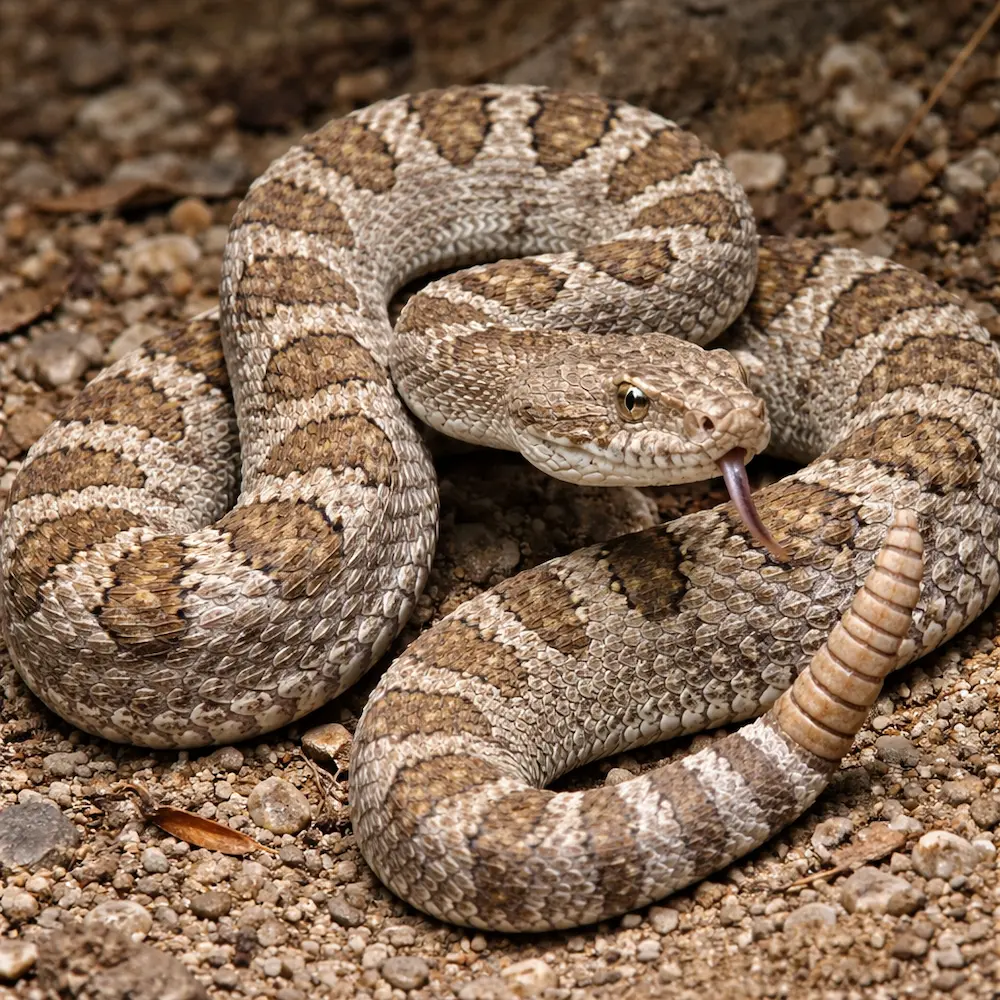
Most venomous snakebites in the United States happen during amateur handling attempts, not chance encounters. A cornered Great Basin rattlesnake is unpredictable, and an inexperienced approach puts everyone nearby at risk. Professional removal eliminates that danger.
DIY removal also tends to be a temporary fix. A property with good harborage, food sources, and structural entry points will keep attracting snakes regardless of how many are removed individually. Professional service addresses the conditions driving the activity, not just the snake in front of you.
You should also be aware that some Utah snake species are protected under state wildlife law, and handling or killing them without proper authorization can carry legal penalties. A professional handles every removal in a manner consistent with Utah Division of Wildlife Resources guidelines, keeping you on the right side of those regulations without having to think twice about it.
Snake Situations Our Professionals Are Called In to Handle
Snake encounters take many forms, and the appropriate response varies considerably depending on the species involved, the location of the snake, and the conditions on the property. Here are the most common situations our professionals are called in to address in the Brigham City area:
Step-by-Step Look at Professional Snake Removal
Snake removal is not a simple catch-and-release operation. Done correctly, it is a methodical process that begins well before anyone approaches the animal and continues with a thorough property assessment after the snake has been removed. Here is a detailed look at how a professional snake removal service proceeds from your first contact through the completion of the visit.
Step 1: Initial Contact and Situation Assessment
When you submit an estimate request, the first thing a specialist needs to understand is the urgency of the situation. If a venomous snake is actively present in a location where people or pets could encounter it, that is treated with the highest priority. During the initial conversation, the professional will ask you about the species if known or suspected, where the snake was last seen, whether it is still visible, approximately how large it appeared, and any relevant details about the property such as proximity to open land, presence of rock features, or recent rodent activity. This information allows the specialist to arrive prepared with the appropriate tools and to have a working understanding of the situation before setting foot on the property.
Step 2: On-Site Safety Assessment
Before any attempt is made to locate or approach the snake, the technician conducts a brief safety assessment of the area where the snake was reported. This involves identifying any potential secondary hazards in the environment such as dense vegetation the snake could be concealed within, proximity to structures where it could retreat if disturbed, and the presence of people or pets in the immediate area. The technician will ask household members and pets to move to a safe indoor location away from the work area before beginning the search. This step is not procedural formality; it is a genuine risk management measure that protects everyone present during what can be an unpredictable process.
Step 3: Species Identification
If the snake is still visible, identification occurs before any handling attempt begins. The technician observes the animal from a safe distance, noting body shape, head shape, pupil type if visible, coloration and pattern, body length, and behavioral cues. In northern Utah, distinguishing a venomous Great Basin rattlesnake from a non-venomous species such as a gopher snake or Great Basin gopher snake requires attention to several features simultaneously, since a defensive gopher snake can flatten its head and mimic rattlesnake posture convincingly. If the snake has moved and is no longer visible, the technician uses the property owner’s description, photographs if available, and the known species range for Box Elder County to make a working identification that informs how the search and capture will proceed.
Step 4: Systematic Search for Non-Visible Snakes
When a snake has moved out of sight, a systematic search of the likely hiding areas is required. Snakes seek cover in predictable ways: beneath flat objects close to the ground, inside gaps in foundation edges and siding, under stored materials in garages and sheds, inside rock or wood piles, in crawlspace access areas, and within dense low-growing vegetation. The technician searches these areas methodically, using appropriate tools to move materials and expose hiding spots without reaching blindly into areas where a concealed snake could strike. This is the stage of the process that most often requires patience and a thorough knowledge of snake behavior, as an experienced professional knows where to look and how to interpret the evidence of recent passage, such as shed skins, disturbed debris, and track marks in dusty areas.
Step 5: Capture and Containment
Capture method depends entirely on the species identified. For non-venomous snakes, capture may involve a snake hook and a secure container or a specialized snake tong for larger individuals. For venomous species including rattlesnakes, capture involves maintaining a safe working distance at all times, using long-handled hooks and tongs to control the animal without bringing any part of the handler’s body within striking range, and placing the snake directly into a secure, ventilated container from which it cannot escape during transport. The technician will not rush this step. A hurried capture attempt on a defensive rattlesnake is where injuries happen. Methodical, controlled movements and respect for the animal’s strike range are non-negotiable throughout this phase.
Step 6: Relocation
Non-venomous snakes are typically relocated to appropriate habitat away from residential areas, in keeping with their ecological value as rodent and pest controllers. Venomous snakes are transported to and released in appropriate natural habitat at a sufficient distance from residential development to reduce the likelihood of their returning. Relocation practices follow Utah Division of Wildlife Resources guidelines for native species handling. The technician will note the relocation location for their records.
Step 7: Entry Point and Attractant Inspection
With the snake removed, the technician turns to the property inspection. This is the phase that directly reduces the likelihood of future encounters and is arguably as important as the removal itself. The inspection covers the exterior of all structures for foundation gaps, openings around utility penetrations, missing or damaged vent screens, gaps beneath doors, and any other aperture large enough for a snake to enter. The technician also assesses the landscape for harborage features including rock piles, wood stacks, dense ground cover, compost areas, and tall grass along fence lines, all of which function as daytime resting and hiding sites. Rodent activity indicators are noted, since mice, voles, and gophers are primary prey items for most snake species in the area, and an active rodent population on a property is one of the strongest attractants for snakes.
Step 8: Written Recommendations and Follow-Up Guidance
Before leaving, the technician provides you with a clear summary of what was found, what was removed, and a prioritized list of recommended actions to reduce future snake risk. These recommendations are specific to your property and your situation rather than generic advice. They may include specific gaps to seal and suggested materials for doing so, landscaping modifications to reduce harborage, guidance on addressing any rodent activity identified during the inspection, and whether a follow-up assessment visit would be advisable given the conditions observed. If the snake could not be located during the visit, the technician will advise on monitoring steps, what to do if it reappears, and when to schedule a return visit.
Frequently Asked Questions
How much does professional snake removal cost in Brigham City?
Cost depends on the nature of the call. A straightforward removal of a visible, accessible snake from a yard or garage is typically less involved than a situation where the snake has retreated into a crawlspace, wall void, or densely cluttered outbuilding and requires an extended search. Venomous species calls often involve additional time and precaution, which can be reflected in the overall cost. Whether a full property inspection and exclusion assessment is included in the service scope also influences the final figure.
Because snake situations vary so widely, the most accurate estimate comes from describing your specific circumstances through our request form. A professional familiar with the Brigham City area will follow up with a realistic quote based on what your property and situation actually involve. There is no cost to request an estimate.
What venomous snakes should I be aware of in the Brigham City area?
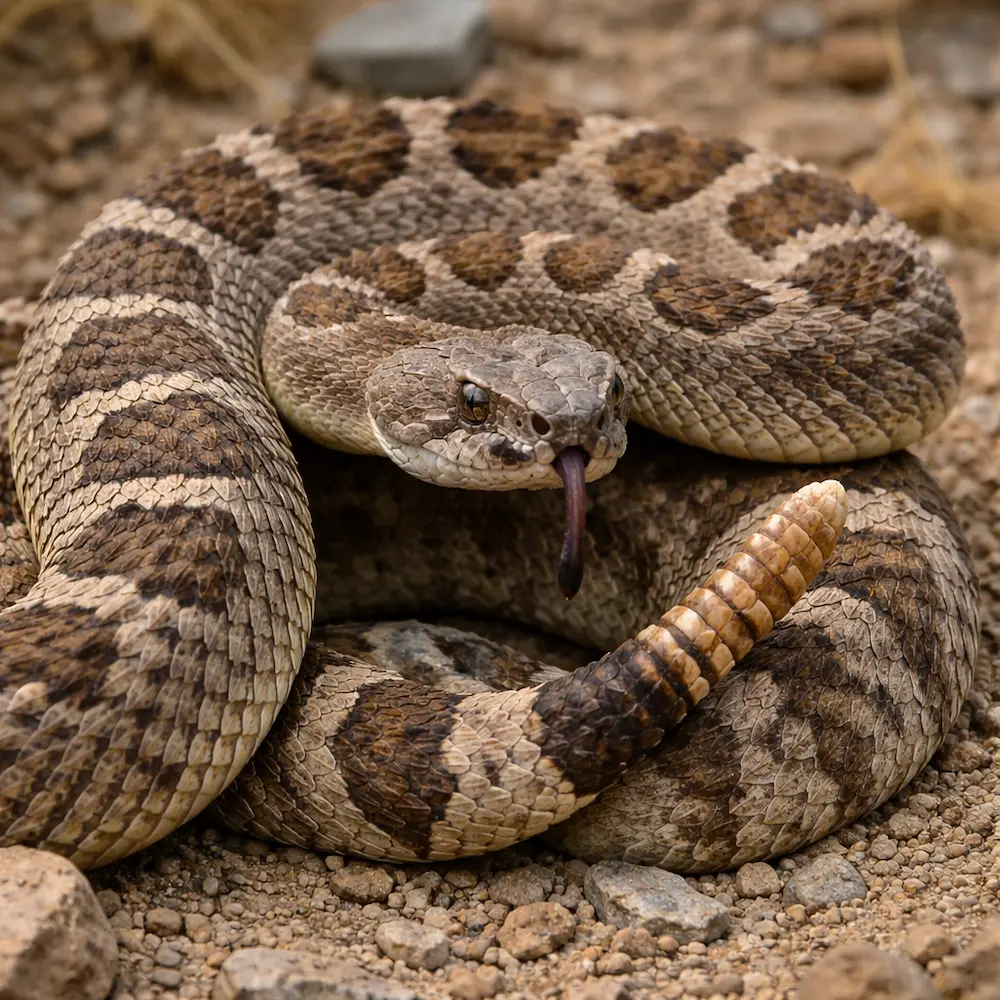
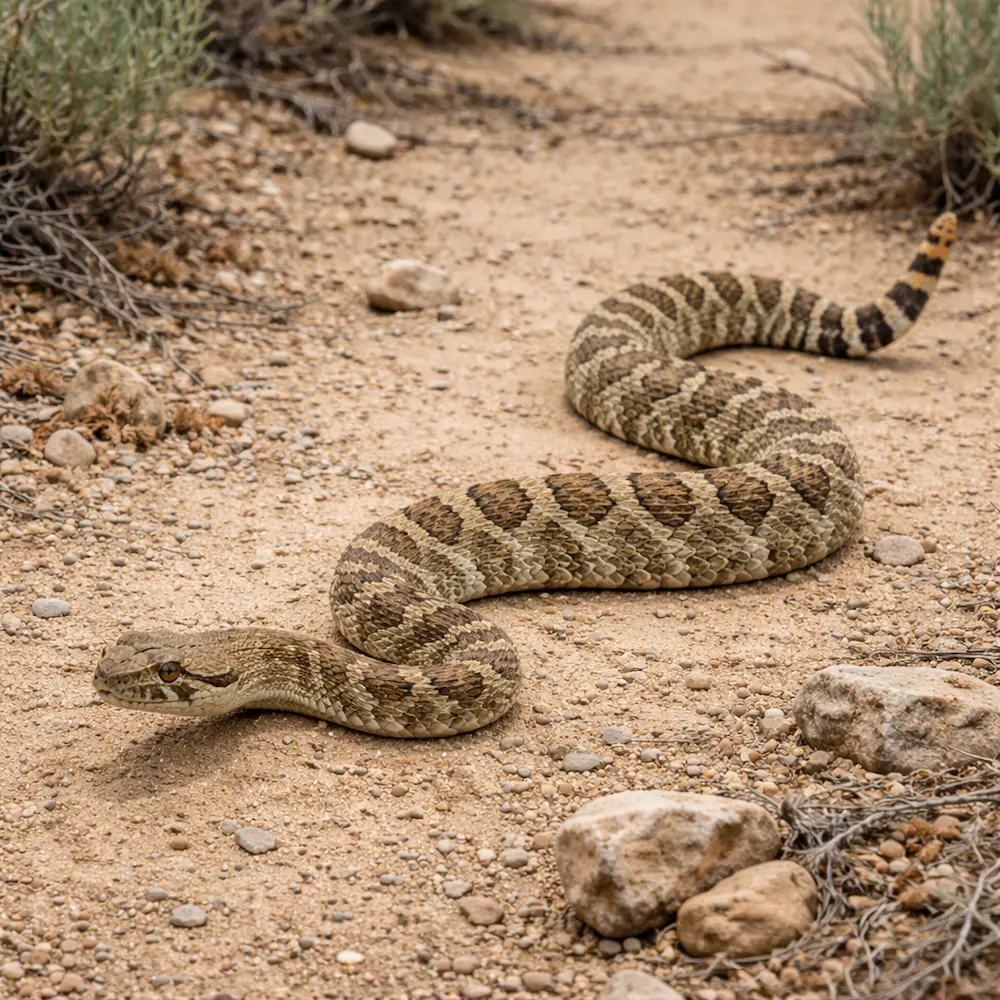
The Great Basin rattlesnake is the primary venomous species residents of Box Elder County need to be aware of. It is a subspecies of the Western rattlesnake and is found throughout the region, particularly in rocky terrain, hillside margins, sagebrush habitat, and the transition zones between developed and undeveloped land. Properties along the foothills east of Brigham City and those bordering open range land to the north and west have a higher likelihood of rattlesnake encounters than properties in the densely built core of town.
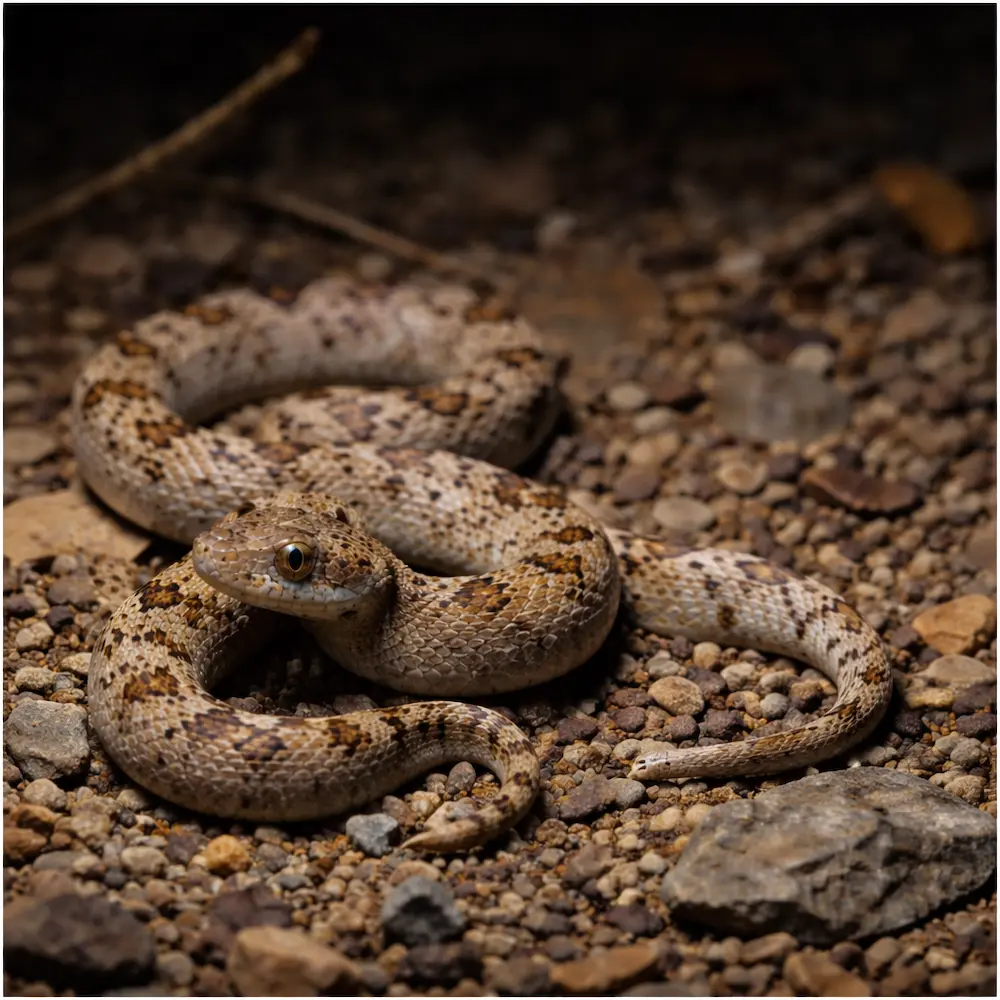
The Midget Faded rattlesnake is present in parts of Utah but is less commonly encountered in Box Elder County. No other venomous snake species are established in this part of the state. The many non-venomous species in the area, including gopher snakes, racers, and night snakes, are sometimes mistaken for venomous snakes due to defensive behaviors or superficial pattern similarities, which is one reason professional identification before any handling attempt is so important.
I live in the Forest Street area near the mouth of Box Elder Canyon. Are rattlesnakes a real concern that close to town?
Yes. The canyon mouth and the hillside terrain immediately east of town represent some of the highest rattlesnake pressure in the Brigham City area. The rocky outcroppings, natural brush, and rodent populations along that corridor provide ideal rattlesnake habitat, and animals regularly move from that terrain into adjacent residential areas, particularly during the warmer months and in early fall when snakes are actively searching for prey and eventually seeking overwintering sites. Properties with rock landscaping, wood piles, or dense foundation plantings along the eastern edge of town are particularly worth having assessed by a professional if rattlesnake activity has been observed.
I found a large tan and brown patterned snake in my yard. Is it a rattlesnake or a gopher snake?
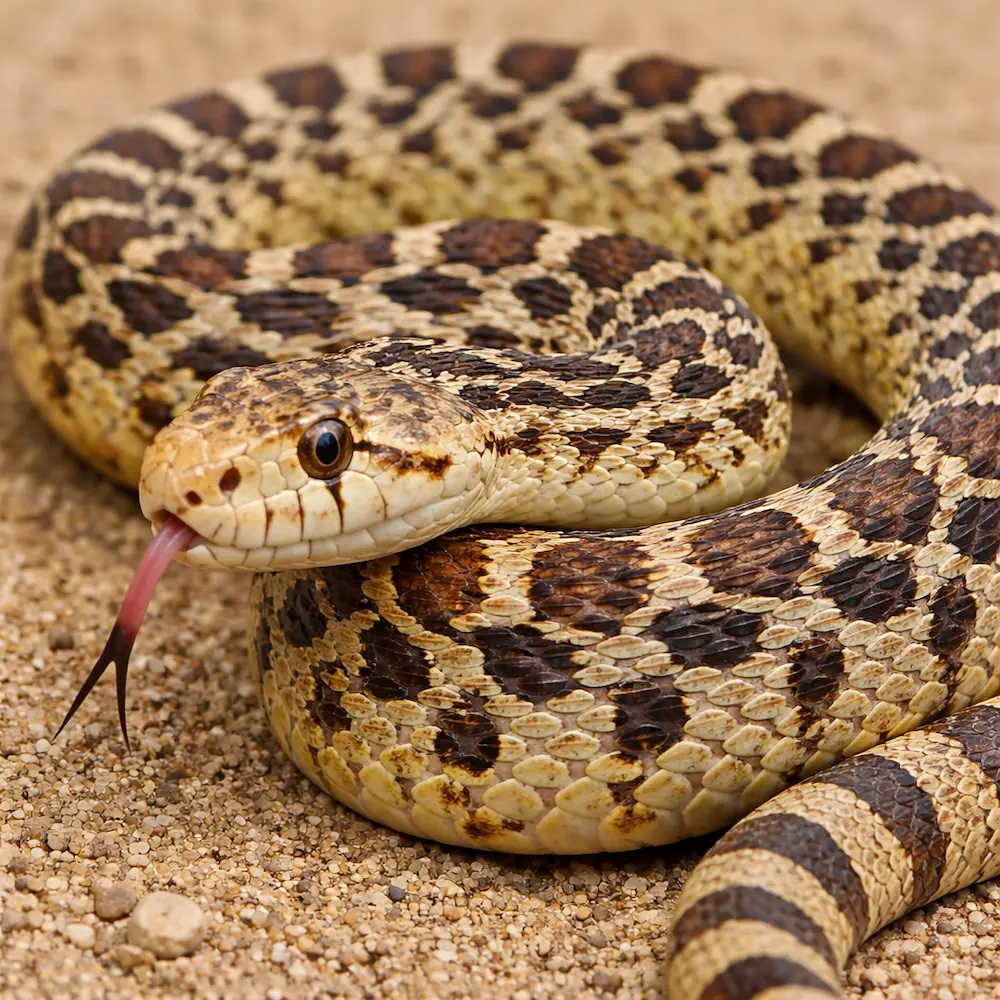
This is one of the most common identification questions in northern Utah, and it is genuinely difficult to answer without a direct look at the animal. Gopher snakes are the most frequently misidentified snake in the region because when threatened they flatten their heads, vibrate their tails against dry leaves or debris, and hiss loudly in a convincing rattlesnake impression. In terms of coloration and pattern, both species can display similar tan and brown banding or blotching.
The most reliable distinguishing features are head shape and the presence of a rattle. A rattlesnake has a distinctly triangular, arrow-shaped head noticeably wider than its neck, elliptical pupils, and a segmented rattle at the tail tip, even if only a single rattle segment is present on a young snake. A gopher snake has a narrower, more rounded head and a pointed tail. However, making this assessment safely requires distance and calm observation, not a close-up approach. If there is any doubt, treat the snake as venomous and contact a professional rather than attempting your own identification at close range.
A snake got into my garage. What should I do while I wait for a professional?
The most important thing is to keep people and pets out of the garage until the professional arrives. If you can safely close the door to the garage from the interior of the home, do so to prevent the snake from moving further into the living space. If the snake is visible and you can keep eyes on it from a safe distance without approaching, note its location so you can direct the technician immediately upon arrival. Do not attempt to trap it under a bucket, corner it, or prod it with a tool. A snake that feels cornered in an enclosed space is significantly more likely to strike defensively.
Resist the urge to apply any sprays, repellents, or chemicals to drive it out. These approaches rarely work, can cause the snake to move rapidly and unpredictably, and may contaminate evidence of entry points the technician will want to assess during the inspection. The fastest path to a safe resolution is simply to secure the area, keep a calm distance, and wait for the professional.
Are the non-venomous snakes around Brigham City actually harmless?
Non-venomous snakes do not pose a venom risk, but harmless is a relative term. Large gopher snakes and bull snakes can deliver a painful bite if handled or cornered, and any bite from a wild animal carries a risk of infection if not cleaned and monitored properly. More practically, the presence of non-venomous snakes on a property in significant numbers often signals the same conditions that attract venomous species: good rodent populations, accessible harborage, and structural vulnerabilities. A professional removal and property assessment is worthwhile regardless of species if snake encounters are frequent or if the snake is found inside a structure.
Non-venomous snakes in Utah also include several species with protected status under state law, meaning that killing them even on private property is not legally straightforward. A professional handles the situation in a manner consistent with applicable wildlife regulations so the property owner does not have to navigate those questions independently.
How do snakes get inside homes and what can be done to prevent it?
Snakes enter structures through gaps that are often far smaller than most homeowners expect. A gap of roughly a quarter inch at the base of a garage door, a missing vent screen, an unsealed pipe penetration through a foundation wall, or a crack in a crawlspace sill plate are all sufficient entry points for juvenile or adult snakes depending on the species. Properties with active rodent activity inside or beneath the structure are at considerably higher risk because the prey itself draws the snake toward and eventually inside the building.
Prevention is most effective when it combines physical exclusion with habitat and food source reduction. Sealing entry points with appropriate materials, removing ground-level harborage like rock piles and dense low shrubs near the foundation, managing woodpile storage away from the home, and addressing any underlying rodent activity are the core steps. A pest professional conducting a post-removal inspection can identify the specific vulnerabilities on your property and prioritize which ones to address first given the layout and conditions of your particular lot.
What time of year are snake encounters most common in northern Utah?
Snake activity in the Brigham City area follows a predictable seasonal pattern. Encounters peak from late April through September, with the highest frequency typically falling in May, June, and August. Spring emergence brings snakes out of winter dormancy as temperatures warm, and they are often highly mobile as they disperse from overwintering sites and begin feeding. Late summer sees another surge in activity as juvenile snakes from spring hatches become active and as adult snakes increase feeding ahead of winter dormancy.
October encounters, while less frequent, are not unusual and tend to involve snakes moving to find overwintering sites, which can bring them toward the warmth of structures and foundations. The cooler months of November through March see very little above-ground snake activity in this part of Utah, though snakes overwintering within crawlspaces or wall voids may occasionally be disturbed into movement on unusually warm winter days.
Can I just relocate a snake I find in my yard myself?
For a clearly non-venomous snake that is easily visible and accessible, some property owners do choose to relocate it themselves using a long-handled tool to guide the snake into a container. However, this approach carries real risks even with non-venomous species if the identification is uncertain, and it does nothing to address why the snake was on the property in the first place.
For any snake where there is doubt about the species, for any snake inside a structure, or for any situation involving a suspected or confirmed rattlesnake, self-relocation is not advisable. The risk of misidentification in the moment, the unpredictability of a defensive animal in a confined space, and the legal considerations around handling certain protected species all point toward professional involvement as the safer and more practical choice.
Don’t Wait for the Next Encounter to Take Action
A snake on your property is not a problem that resolves itself. Whether you are dealing with an active situation right now or you have had repeated encounters and want a professional assessment before the next one, the form on this page is your fastest path to getting help. A snake removal specialist serving the Brigham City area will follow up to discuss your situation and provide a no-obligation estimate.