Stink Bug Extermination Services
Reclaim your home from invasive, odorous pests.
Stink bugs are more than a nuisance. Once they find a way into your home or business, they multiply quickly, release unpleasant odors when disturbed, and can be notoriously difficult to eliminate without a targeted plan. At Brigham City Pest Control, we connect homeowners and property managers with experienced pest professionals who specialize in stink bug removal and long-term prevention strategies tailored to the unique conditions of northern Utah.
Free Estimate
Dealing with stink bugs and not sure where to start? Fill out the form and a pest professional will reach out to discuss your situation, answer your questions, and provide a no-obligation estimate for service. The sooner you reach out, the sooner you can reclaim your home.
A Small Problem Becomes a Large One Quickly
Stink bugs are highly efficient at locating overwintering sites and communicating those locations to others through pheromone trails. What begins as a few insects appearing along a sunny window in September can rapidly develop into hundreds concealed inside wall voids before winter fully sets in. By the time warming spring temperatures trigger their re-emergence, a neglected infestation can result in stink bugs appearing throughout the interior of your home for weeks.
Acting before or at the onset of fall activity is always more effective and less costly than trying to address an established interior population mid-winter. However, even late-season or spring treatments can make a meaningful difference by eliminating overwintering populations before they disperse outdoors and reproduce.
Stink Bug Issues We Can Help Resolve
Stink bugs create a range of frustrating problems for homeowners and property managers. Here are some of the most common issues our pest professionals are called in to address:
What to Expect
Effective stink bug control is not a single action; it is a coordinated process that unfolds across several stages. Understanding what to expect helps you prepare your property, make the most of the service visit, and take appropriate follow-up steps to sustain the results. Here is a detailed walkthrough of how a professional stink bug treatment typically proceeds when you work with a specialist through Brigham City Pest Control.
Step 1 Initial Consultation and Quote
After you submit a quote request, a pest professional will reach out to gather more specific information about your property and the nature of the infestation. During this conversation, you will have the opportunity to describe where you are seeing bugs, how long the problem has been occurring, and any areas of particular concern. The specialist will explain the general approach, provide a cost estimate, and answer any initial questions you may have. This step ensures that when the technician arrives at your property, they are already familiar with the situation and can begin the inspection efficiently.
Step 2 Comprehensive Property Inspection
The service visit begins with a thorough inspection of your property, both inside and out. On the exterior, the technician examines the foundation, siding, window frames, door frames, utility penetrations, roofline, soffit vents, and any cracks or gaps that could serve as entry points. They also look at vegetation, mulch beds, and wood piles near the structure, as these can serve as staging areas for stink bugs before they enter the building. On the interior, the technician checks window sills, baseboards, light fixtures, attic access points, wall voids where possible, and any rooms where activity has been reported. The goal is to build a complete picture of where the stink bugs are concentrated, how they are getting in, and what environmental factors are contributing to the infestation.
Step 3 Customized Treatment Plan Development
Based on inspection findings, the technician will outline a treatment plan specific to your property. This plan takes into account the severity of the infestation, the construction type and age of the building, the location of known entry points, the proximity of landscaping, and any sensitivities you may have regarding product use around children, pets, or garden areas. Treatment plans typically combine exterior perimeter treatment, targeted interior application where activity is concentrated, and mechanical exclusion recommendations. The technician will walk you through the plan before any products are applied, so you understand exactly what is being done and why.
Step 4 Exterior Perimeter Treatment
The exterior perimeter is treated with an appropriately selected residual insecticide applied to the foundation, lower siding, window and door frames, and other identified entry zones. This creates a treated barrier that stink bugs must cross as they move toward the structure, reducing the number that successfully enter. Special attention is paid to the upper portions of the exterior walls, gable vents, and roofline areas if stink bug activity has been identified there. The product selection and application rate are calibrated for the specific conditions of your property and the time of year, as stink bug pressure and behavior vary significantly between spring, summer, fall, and winter.
Step 5 Interior Treatment and Wall Void Management
Where interior activity is present, the technician applies targeted treatments in areas where stink bugs are clustering or overwintering. This may include void injections into wall spaces through existing electrical outlets or small drilled access points if a significant harborage population is confirmed. Application to window sills, attic spaces, and crawlspaces may also be part of the interior treatment if these areas are found to be active. It is important to understand that interior treatments stir up stink bugs, which may temporarily increase visible activity as bugs are flushed from hiding spots. This is a normal and expected part of the process, not a sign that the treatment is not working.
Step 6 Exclusion Work and Entry Point Sealing
One of the most important and often underestimated aspects of stink bug control is physical exclusion. After treatment, the technician will seal or recommend sealing identified entry points using appropriate materials. Common materials include caulk for small gaps around window and door frames and pipe penetrations, expanding foam for larger voids around utility lines and structural gaps, and wire mesh or hardware cloth for vent openings and weep holes. The exclusion work does not need to be cosmetically perfect, but it does need to be comprehensive. Even a gap the width of a pencil is large enough for a stink bug to enter. Your technician will prioritize the most critical entry points and help you understand what additional sealing you may want to arrange to further reduce future entry.
Step 7 Post-Treatment Instructions and Monitoring
Before leaving your property, the technician will provide clear post-treatment instructions. These typically include how long to avoid treated areas, how to handle stink bugs you may encounter in the days following treatment, how to dispose of dead bugs safely without triggering their defensive odor, and what to watch for as an indicator of ongoing activity. You may be advised to avoid vacuuming live stink bugs and to use a special stink bug trap or sealed container for disposal instead. The technician will also let you know when a follow-up treatment or monitoring check would be advisable given your situation and the time of year.
Frequently Asked Questions
How much does stink bug extermination cost in Brigham City?
Cost varies depending on a few key factors: the size of your property, the severity of the infestation, the number of treatments needed, and whether exclusion work is included in the scope of service. For a single-family home in Brigham City with a moderate infestation, an initial treatment visit typically falls in a range that reflects the local market and the complexity of the job. Larger properties, heavily infested wall voids, or homes requiring significant exclusion sealing will naturally fall toward the higher end of the range.
The best way to get an accurate number for your specific situation is to request a free estimate through our form. There is no obligation, and knowing the details of your property allows a pest professional to give you a realistic figure rather than a generic quote that may not reflect your actual needs.
Is stink bug season particularly bad in the Brigham City area?
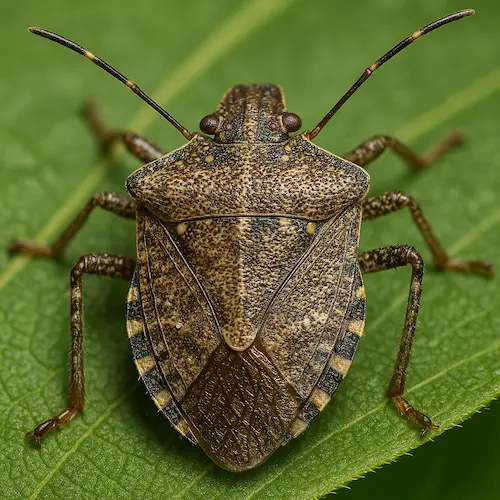
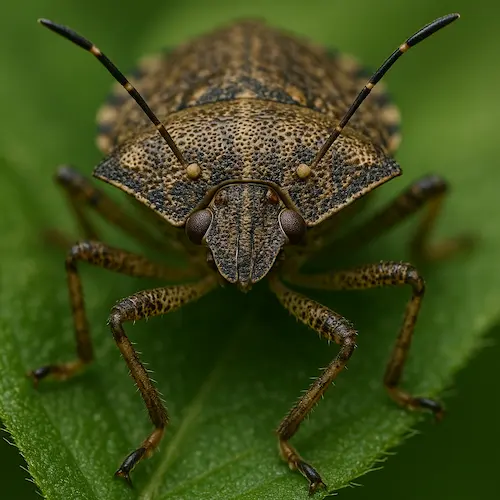
Yes. Brigham City and the broader Box Elder County region sit in an environment that is well-suited to stink bug activity. The Brown Marmorated Stink Bug, which is the species responsible for most residential infestations across Utah, thrives in areas with a mix of agricultural land, residential development, and semi-rural properties. The orchards and farmland surrounding Brigham City provide abundant summer feeding grounds, and the transition into fall brings large numbers of stink bugs migrating toward structures as temperatures drop.
The city’s position at the base of the Wellsville Mountains also means that properties on the eastern and hillside-facing sides of town can experience stink bug pressure earlier in the fall season as insects move down from higher elevations seeking warmth. Residents in areas like the East Bench neighborhoods have noted this pattern in particular. Statewide, Utah State University Extension has confirmed that stink bug populations across northern Utah have been increasing, making proactive treatment more relevant than ever for Box Elder County homeowners.
What time of year should I schedule stink bug treatment in northern Utah?
The most impactful window for stink bug treatment in the Brigham City area is late August through mid-October. During this period, stink bugs are actively seeking overwintering sites and are most vulnerable to exterior perimeter treatments before they breach the building envelope. Treating during this window intercepts the infestation before it becomes an interior problem.
That said, treatment is worthwhile at any time of year. Spring treatments address the emerging population after dormancy and reduce outdoor breeding numbers heading into summer. Winter treatments can eliminate dormant wall void populations before they re-emerge in spring. If you are currently seeing stink bugs, do not wait for a specific season; reach out and a professional can advise on the most effective approach given current conditions.
Can I just vacuum up the stink bugs myself instead of hiring a professional?
Vacuuming is a common DIY response to visible stink bugs, but it comes with significant limitations and risks. When stink bugs are disturbed or crushed, they release a pungent defensive odor produced by compounds in their scent glands. Vacuuming live stink bugs can deposit this odor inside the vacuum unit and spread it through the exhaust. More importantly, vacuuming addresses only the insects you can see and does nothing to treat the much larger population typically concealed within wall voids, attic insulation, and crawlspaces.
A professional approach treats the harborage population directly, applies residual products to deter re-entry, and identifies the structural vulnerabilities allowing stink bugs inside in the first place. If you do choose to remove individual bugs manually before a professional visit, use a sealed bag or a dedicated stink bug trap rather than a standard vacuum to minimize odor spread.
Are stink bugs harmful to people, pets, or my home’s structure?
Stink bugs do not bite, sting, or transmit disease to humans or pets, and they do not cause structural damage to wood, insulation, or other building materials in the way that termites or carpenter ants do. Their primary impacts are the nuisance of their presence indoors, the unpleasant odor they release when disturbed, and the potential for light staining on surfaces near large harborage sites.
For gardeners and small-scale fruit growers in the Brigham City area, however, stink bugs pose a more concrete economic threat. They are known feeders on peaches, apples, cherries, tomatoes, peppers, and sweet corn. The Brigham City area’s longstanding orchard heritage makes this a real concern for residents with fruit trees on their property. If you are noticing feeding damage on backyard trees or garden vegetables alongside an interior infestation, mention this when requesting your estimate so the treatment plan can account for both concerns.
How many treatment visits will I need?
The number of visits depends on the scope and severity of the infestation. A property with a light to moderate exterior presence and no established interior harborage may be well addressed with a single comprehensive treatment combined with exclusion sealing. Properties with heavy wall void or attic populations, or those with significant structural gaps that cannot all be addressed in one visit, often benefit from follow-up treatment.
Some homeowners also choose a recurring seasonal service that includes a fall perimeter treatment before stink bugs begin seeking overwintering sites, combined with a spring treatment to address any population that successfully overwintered. This approach is particularly practical for properties near agricultural areas on the west and north sides of Brigham City where stink bug pressure tends to be higher due to proximity to fields and orchards.
Will the treatment smell or require me to leave my home?
Most exterior perimeter treatments can be performed without requiring you to vacate the property, though the technician will advise you to stay clear of treated surfaces until they have dried, which typically takes thirty minutes to an hour depending on weather conditions. Interior treatments, particularly those involving void injections or attic applications, may involve products with a mild odor that dissipates quickly with ventilation.
The technician will provide specific instructions based on the products used and the areas treated. Households with young children, pets, or individuals with respiratory sensitivities should mention this when scheduling so the professional can plan accordingly. Utah’s generally low humidity and dry climate actually works in your favor here: products applied to exterior surfaces dry and set faster in Brigham City’s semi-arid conditions than they would in more humid climates, minimizing the window of any temporary odor.
Do I need to do anything to prepare my home before the service visit?
A few simple steps on your end can help the service visit go more smoothly and support better results. On the exterior, clear any items stored against the foundation such as firewood, plant containers, or stored equipment, as these can harbor stink bugs and block access to the perimeter. Trim back shrubs or overgrown vegetation that is in direct contact with the siding, since dense plant material near the structure creates both a hiding spot and a bridge for stink bugs to access entry points.
On the interior, make sure the technician has clear access to attic entry points, crawlspace hatches, and any areas where you have been observing activity. If you have identified specific locations where stink bugs are clustering, note these so the technician can prioritize them during inspection. You do not need to perform any chemical treatment yourself beforehand; in fact, using store-bought sprays before a professional visit can complicate the technician’s ability to assess the true scope of the infestation.
Can stink bugs come back after treatment?
Stink bugs can return, particularly if exclusion work is incomplete or if your property is in a high-pressure area near agricultural land or orchards. The pheromone trails left by overwintering stink bugs are persistent and can attract new insects to the same structure in subsequent seasons even after a successful treatment. This is why exclusion sealing is such a critical component of a complete service rather than an optional add-on.
With good exclusion work and a properly timed perimeter treatment, most properties see a substantial and lasting reduction in stink bug activity. Properties in areas of Box Elder County with heavy agricultural surroundings may benefit from annual fall treatments as a proactive measure given the ongoing local population pressure. Your pest professional can assess your specific risk level and recommend a maintenance schedule that makes sense for your situation and budget.
Ready to Put Stink Bugs Behind You?
Don’t wait for the problem to worsen or for another season of stink bug stress. Fill out our simple quote request form and get connected with a pest professional ready to assess your property and put a plan in place. The form takes less than two minutes to complete, and there is no cost or obligation to get started. No phone number needed. Just fill out the free quote form above and we will be in touch.