Termite Treatment Services
Protecting Brigham City Homes from Hidden Damage
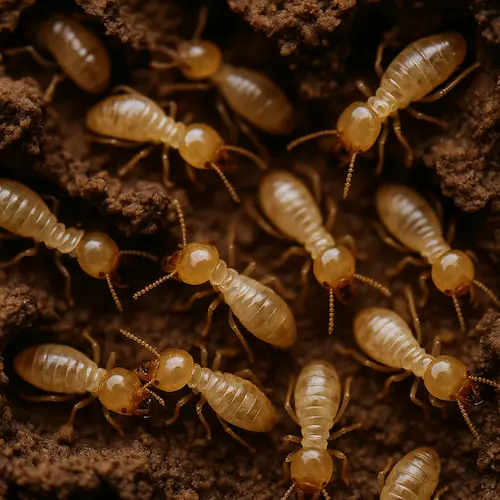
Termites are silent destroyers that can weaken the very foundation of your home before you realize they are there. At Brigham City Pest Control, we understand the urgency and precision required to manage these invasive pests. Our termite extermination service focuses on identifying, treating, and preventing termite infestations using proven inspection techniques and thorough application methods.
Our treatment programs are built to defend your property against future infestations by focusing on the underlying causes, not just the visible damage. Whether you’re dealing with drywood termites in an attic, subterranean termites along your foundation, or simply want to protect a property before visible signs appear, we’re ready to help.
Termite Extermination Request Form
If you’ve noticed mud tubes, wood damage, or discarded wings near windowsills, it’s time to act. Fill out the form below, and one of our pest control specialists will review your information and schedule a time to inspect your property.
Importance of Termite Control in Brigham City
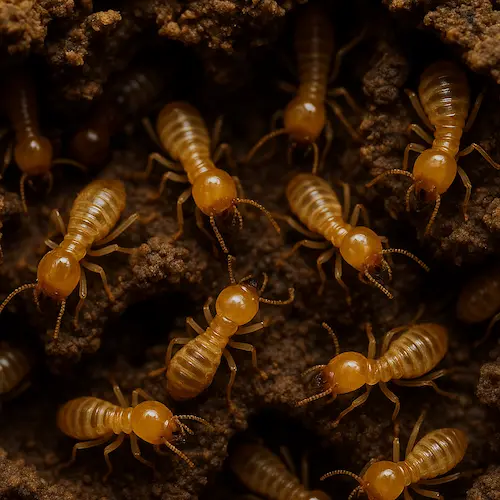
Termites can silently cause thousands of dollars in structural damage in just a few years. Utah’s mixed arid-climate environment may seem to reduce pest pressure, but termite colonies survive underground year-round where moisture remains trapped in soil layers. Improper control or delayed action can lead to weakened beams, sagging floors, and costly renovations.
Ignoring warning signs may allow colonies to expand below the surface where they remain out of sight for years.
Common Termite Problems We Address
Termite infestations can look deceptively minor but cause extensive hidden structural issues. Below are common problems we identify and handle for Brigham City homeowners:
Termite Removal Process
Termite management requires detailed attention, precision, and consistency. At Brigham City Pest Control, we follow a structured, step-by-step process to ensure each treatment strategy is tailored to the property’s specific conditions and the termite species present.
Step 1: Property Evaluation and Inspection
The first step in any termite service is an in-depth inspection. We visually examine both interior and exterior areas, focusing on structural contact points with soil, basement corners, wooden frames, and baseboards.
Special instruments may be used to detect subtle hollowing within wood, as termites often consume from the inside out, leaving little visible on the surface.
During this phase, we also identify environmental conditions like poor gutter drainage, leaky plumbing, or ground-to-wood contact that may attract termites. Once we understand the full scope, we document findings and outline a recommended treatment plan.
Step 2: Identification and Assessment
Termite species found throughout Utah differ in habitat and dietary preferences. In Brigham City, subterranean termites are dominant, while drywood termites are less frequent but still present in older structures. Identifying the correct species determines how we proceed including:
- The extent of colony expansion
- Entry and nesting points
- Damage severity
- Areas requiring specialized treatment access
This stage ensures the right combination of control methods will be used, reducing unnecessary disruption to your property.
Step 3: Treatment Customization and Preparation
Once the inspection is complete, we prepare the property for treatment. This includes clearing access points, creating designated safety zones, and ensuring foundation lines and affected areas are reachable.
Depending on the structure, our team may recommend targeted soil treatments, bait systems, or spot applications.
Common treatment strategies used include:
- Soil perimeter barriers: Applied around foundations and entry points to block colony movement.
- Wood treatment applications: Used for direct contact with damaged or at-risk wood members.
- Bait stations: Placed strategically around your property to eliminate foraging termites over time.
Step 4: Application and Extermination
During treatment, applications are made carefully to ensure full coverage across the structure’s vulnerable spots. This process may involve trenching small soil sections, drilling near expansion joints, or applying product directly along sill plates and baseboards.
Each stage is timed carefully to ensure consistency and minimize disruption to residents. Treatment duration typically ranges from one to three hours depending on property size. For complex infestations, multiple follow-up visits may be scheduled to verify product activity and termite decline.
Step 5: Follow-Up Inspection and Monitoring
After treatment, we perform a follow-up inspection to confirm progress. This step is vital for long-term control. We check for new mud tunnels, activity at bait stations, and areas that may need retreatment. Monitoring continues periodically based on structural conditions and seasonal fluctuations.
Step 6: Preventive Maintenance and Education
Finally, we help customers maintain the results through preventive recommendations tailored to each property. Moisture control, sealing access points, and keeping soil levels lower than wooden structures are key actions that discourage new infestations.
Our staff provides written notes from every service so property owners understand what was done, which areas were treated, and what preventive steps can maintain effectiveness between visits.
Frequently Asked Questions
How common are termite problems in Brigham City?
Termites are more common in Brigham City than many homeowners realize. Because the area sits between mountain slopes and irrigated valleys, moisture from watering systems and shaded foundations creates ideal termite conditions. Properties in neighborhoods like Eagle Ridge and West Forest often deal with subterranean termites that travel through damp soil and reach homes from below the surface.
What kinds of termites do you find most in northern Utah?
The most active species in Box Elder County is the subterranean termite, which lives in underground colonies and builds mud tubes up foundation walls and posts. Occasionally, drywood termites appear in attics or older wooden structures, but these are far less common due to Brigham City’s cooler seasonal climate. Subterranean termites remain the top concern because of their large colonies and persistent feeding habits.
How much does termite extermination cost in Brigham City?
The cost depends on the structure size, the extent of damage, and whether a one-time or ongoing plan is needed. In the Brigham City area, most termite treatments range from $400 to $1,200. Preventive soil treatments or small-spot applications may fall near the lower end, while full-property treatment including monitoring systems may cost more. Every home is different, so we always begin with a detailed inspection and a free, no-obligation estimate.
How do I know if I have termites?
Termites are often hidden from view. Warning signs include:
- Mud tubes along foundations or basement walls.
- Discarded insect wings near windows or door frames.
- Blistered or hollow-sounding wood.
- Bubbling paint or sagging baseboards.
- Fine powdery material (frass) resembling sawdust near cracks or window sills.
If you notice any of these, schedule an inspection soon. In Utah’s dry climate, colonies persist mainly underground or behind walls, so early detection prevents major damage.
Do termites show up during certain seasons here?
Yes. Spring and early summer are peak swarming months in Brigham City when reproductive termites emerge to start new colonies. However, once established, subterranean termites remain active year-round underground. Because our soil retains moisture even through winter, minor activity can persist beneath the frost layer long after surface insects disappear.
What happens during a termite inspection?
During an inspection, we visually examine foundations, crawl spaces, attics, and any wooden areas that contact soil. We check for damage patterns, identify moisture sources, and evaluate construction points such as porch posts or support beams that may attract termites. Each inspection ends with a written summary of findings and customized treatment recommendations for your property.
How long does a termite treatment take?
Most standard termite treatments are completed within 2 to 4 hours, depending on property size. Larger or complex structures may take longer. If a baiting system is installed, it is monitored periodically over several months to ensure colony elimination. Every service plan includes follow-up steps to confirm continued protection.
Is the treatment safe for my home and garden?
Yes, when applied properly and in accordance with safety guidelines. Treatments are localized and targeted to termite activity areas such as soil, crawl spaces, and structural wood contacts. We take care to avoid disrupting garden beds, lawns, or ornamentals. Residents and pets can remain in the home during most applications with minimal adjustment.
How can I reduce my risk of termites between visits?
There are several preventive measures Brigham City homeowners can take:
- Keep soil and mulch at least six inches below wooden siding.
- Avoid stacking firewood or lumber against exterior walls.
- Ensure gutters and downspouts direct water away from your home.
- Ventilate crawl spaces to reduce humidity buildup.
- Fix leaky pipes and eliminate standing water near the foundation.
- Schedule annual termite inspections, especially for older homes or those near fields and irrigation areas.
Simple changes in moisture management often make a huge difference in preventing reinfestation.
Can termites return after treatment?
While a professional treatment greatly reduces termite activity, colonies in surrounding properties can sometimes migrate back into untreated areas. That’s why periodic inspections or maintenance plans are recommended, especially in regions like Brigham City where soil moisture encourages subterranean activity. Our service includes re-checks and follow-up visits when necessary to keep protection consistent.
What’s the difference between baiting and liquid treatment?
Liquid barrier treatments are applied into the soil around structural foundations, creating a protective zone that eliminates termites as they pass through.
Baiting systems use underground stations containing materials termites feed on. As they share the bait with their colony, it gradually reduces the population. Both options can be extremely effective when used correctly, and we choose based on your property’s size and termite type.
How quickly will I see results after termite treatment?
Some homes show results within days, while baiting systems may take several weeks as the colony spreads the treatment through its ranks. In all cases, we monitor performance at regular intervals. Long-term elimination typically occurs gradually but steadily, leading to full control once all colony activity subsides.
What kinds of structures do you service?
We treat single-family homes, multi-unit residences, commercial properties, and outbuildings throughout Brigham City and nearby communities like Perry and Mantua. Whether your structure has a slab foundation, basement, or crawl space, our approach adjusts to fit. We also service barns, storage sheds, and rental units experiencing wood-damaging insect problems.
What if I’m not sure whether the damage I see is from termites?
If you’re uncertain, don’t worry. Many homeowners mistake carpenter ants or moisture rot for termite activity. During our inspection, we’ll identify the true cause with accuracy. Even if termites aren’t the issue, we’ll explain what we find and how to prevent similar damage in the future.
How soon should I schedule an inspection if I think I have termites?
Immediately. Termites feed continuously, and even a few days of hesitation can expand the affected area. Since visual clues often appear late in an infestation, prompt inspection ensures the issue is contained quickly. Use our Free Estimate form on this page to schedule a professional assessment as soon as possible.
Request Your Free Termite Estimate Today!
Protect the structure, safety, and value of your property. Fill out our short termite removal quote form, and let Brigham City Pest Control guide you toward a more secure future—free from termite damage.