Wasps, Bees and Stinging Insects Extermination Service
Professional Removal of Wasps, Bees, and Stinging Insects
Wasps, bees, hornets, and other stinging insects can quickly become a serious concern when they build nests near homes, patios, garages, or outdoor living areas. These insects are territorial and may sting when they feel threatened, which can make everyday activities such as gardening, playing in the yard, or relaxing on a deck uncomfortable or even unsafe.
Brigham City Pest Control offers extermination and removal services for wasps, bees, hornets, and other stinging insects that appear around residential and commercial properties. The goal of the service is to locate the nesting site, address the insect activity, and help reduce the chances that the same location will attract future nests.
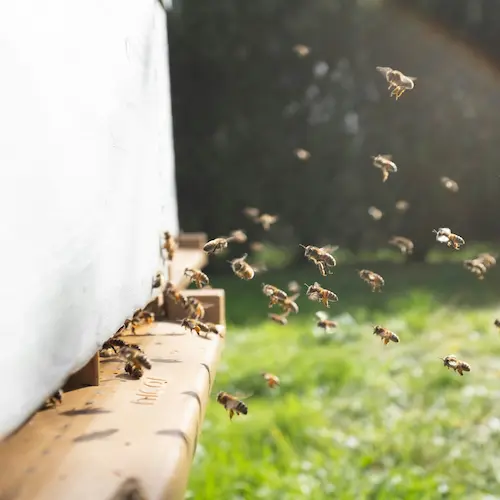
Stinging Insects Extermination Free Estimate Request Form
If you have noticed wasps flying around your property, discovered a nest beneath the eaves of your home, or encountered stinging insects near outdoor spaces, requesting an estimate is the first step toward addressing the problem.
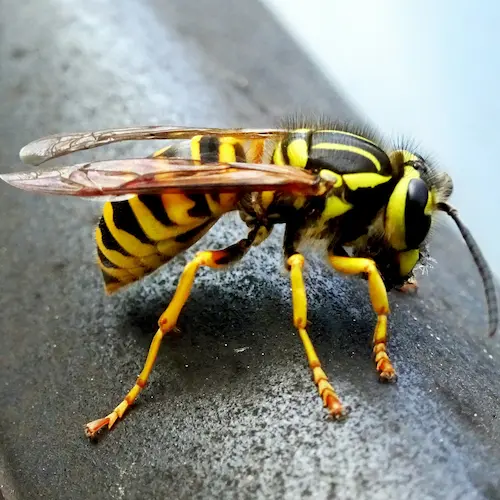
Fixing Your Bee or Wasp Problem – Fast!
Stinging insects often build nests under roof eaves, inside wall cavities, in sheds, beneath decks, or within landscaping features around a property. Once a nest becomes active, the number of insects can grow quickly as the colony expands throughout the warm months.
If you have noticed frequent wasp activity around your home, discovered a visible nest, or experienced stinging insects hovering around entryways or outdoor seating areas, it may be time to take action. The easiest way to begin is by requesting a free estimate.
Bee & Wasp Problems We Fix
Stinging insects can appear in many different parts of a property. Some of the most frequent issues include:
What to Expect From Our Stinging Insect Removal Process
Many property owners want to know what happens during the removal of a wasp or hornet nest. Addressing stinging insect activity requires a careful approach that begins with identifying the species involved and locating the nesting site.
Step 1: Gathering Information About the Insect Activity
The process begins by reviewing information about the situation. Property owners often notice increased insect activity before they locate the nest itself.
Helpful observations may include:
• Areas where wasps or hornets are frequently flying
• Visible nests attached to buildings or structures
• Insects entering small holes in walls or siding
• Increased activity around outdoor food areas
• Nests located in trees, bushes, or sheds
Step 2: Identifying the Type of Stinging Insect
Different types of stinging insects build nests in different ways. Understanding which species is present can provide useful clues about where the nest may be located and how the colony behaves.
Common stinging insects found around properties include:
• Paper wasps that build umbrella shaped nests beneath roof overhangs
• Yellowjackets that often nest in the ground or inside wall cavities
• Hornets that construct large enclosed nests in trees or structures
• Bees that may nest in hollow spaces or wooden structures
Step 3: Locating the Nest
Once insect activity patterns are observed, the next step is locating the nest itself. Nests may be visible or hidden depending on the species and environment.
Common nesting locations include:
• Roof eaves and overhangs
• Porch ceilings and beams
• Attic vents or soffits
• Wall cavities or siding gaps
• Underground burrows in lawns
• Tree branches or dense shrubs
• Storage sheds or detached garages
Step 4: Evaluating Nest Size and Accessibility
After locating the nest, its size and accessibility are evaluated. Some nests are small and exposed, while others are hidden in enclosed spaces such as wall voids or underground tunnels.
Factors considered during this step include:
• Whether the nest is attached to a structure
• The height or position of the nest
• The number of insects present
• Whether the nest is active during certain times of day
• How close the nest is to doors, windows, or outdoor living areas
Understanding these conditions helps determine how the removal process should proceed.
Step 5: Applying Targeted Removal or Control Methods
Once the nest has been evaluated, removal or control measures are applied in a way that addresses the active colony. Placement and timing are important factors when dealing with stinging insects.
For example, certain species may be less active during cooler periods of the day, which can influence when removal activities are performed.
Control measures are focused on the nest area itself and on entry points where insects travel between the nest and the surrounding environment.
Step 6: Monitoring Insect Activity
After the nest has been addressed, monitoring helps confirm whether insect activity decreases. Observing flight patterns and the number of insects present can indicate whether the colony has been effectively disrupted.
In some cases, monitoring also reveals whether additional nests may be present elsewhere on the property.
Step 7: Identifying Conditions That Encourage Nesting
Stinging insects often choose nesting locations that provide shelter from weather and predators. Roof overhangs, covered porches, and protected corners of structures are common examples.
During the process, attention may be given to conditions that make a location attractive for nesting. Understanding these factors can help property owners make adjustments that reduce the likelihood of new nests forming.
Examples of preventative considerations include:
• Sealing gaps or openings around siding
• Repairing damaged soffits or roof edges
• Removing abandoned nests that could attract new colonies
• Reducing sheltered areas where insects may build nests
Frequently Asked Questions
Are wasps and stinging insects common in Brigham City?
Yes, stinging insects are common throughout Brigham City and the surrounding areas of Box Elder County, particularly during the warmer months. Wasps, hornets, and yellowjackets become more active in late spring and summer as their colonies grow and worker insects search for food.
The mix of residential neighborhoods, agricultural land, and foothill terrain around Brigham City provides many nesting opportunities. Structures such as roof overhangs, sheds, and fences create sheltered locations that wasps often use for nest construction. Landscaped yards and outdoor eating areas may also attract stinging insects looking for sugary foods or protein sources.
Because colonies expand through the summer, nests that begin small in early spring can become much larger by mid to late summer if they are left undisturbed.
What types of stinging insects are usually found in northern Utah?
Several species of stinging insects are commonly encountered in northern Utah communities like Brigham City.
Paper wasps are one of the most frequently seen species. They build small umbrella shaped nests beneath eaves, porch ceilings, and roof overhangs.
Yellowjackets are another common pest. These insects are known for building nests underground or inside wall cavities. They are often more aggressive than paper wasps and are commonly attracted to food and sugary drinks during outdoor gatherings.
Hornets occasionally appear as well and may build large enclosed nests in trees or on structures. Honeybees can also be present, particularly in areas near farmland or flowering landscapes.
Identifying which insect is present is helpful because each species builds nests in different locations and behaves differently around people.
When is the peak season for wasps and hornets in Brigham City?
Stinging insect activity typically begins increasing in the spring when new queens emerge from overwintering sites and begin building nests. By early summer, the first generation of worker insects has usually developed and colony activity becomes more noticeable.
The peak season for wasps and hornets in Brigham City usually occurs between July and September. During this time colonies are at their largest and worker insects are actively searching for food to support the nest.
Late summer is also when yellowjackets become particularly noticeable because they are attracted to outdoor food, garbage containers, and picnic areas.
How much does wasp or hornet nest removal cost?
The cost of removing a wasp or hornet nest can vary depending on several factors related to the property and the nest itself.
Some of the elements that may influence the cost include:
• The size of the nest or colony
• The location of the nest on the property
• Whether the nest is easily accessible or hidden inside a structure
• The number of nests present
• The level of insect activity around the nest
For example, a small exposed nest beneath a porch eave may require a different approach than a large yellowjacket nest located underground or inside a wall.
Because each situation is unique, the best way to understand potential pricing is to request a free estimate using the form on the page. Providing details about where the nest is located helps create a clearer picture of the situation.
Are stinging insect nests dangerous if left alone?
Some nests located far away from human activity may not create immediate problems. However, nests that are built close to doors, walkways, patios, or play areas can become a concern.
Wasps and hornets protect their nests aggressively when they feel threatened. If someone accidentally gets too close, the insects may respond defensively. Certain species such as yellowjackets are known to sting repeatedly if they perceive a threat to the colony.
This can make everyday activities such as mowing the lawn, working in the garden, or hosting outdoor gatherings uncomfortable if a nest is nearby.
Where do wasps and hornets usually build nests around homes?
In Brigham City neighborhoods, wasps and hornets commonly build nests in areas that provide shelter from wind and weather. These locations often include:
• Roof eaves and soffits
• Porch ceilings or patio covers
• Deck railings and beams
• Attic vents or siding gaps
• Tree branches and dense shrubs
• Garden sheds or detached garages
Yellowjackets often choose different nesting locations and may build underground nests in lawns or landscaping areas. These nests sometimes remain hidden until someone accidentally disturbs the ground near the entrance.
Why do wasps keep returning to the same spot each year?
Certain areas of a property may naturally provide ideal conditions for nest building. Locations that offer shade, shelter, and protection from rain are especially attractive to stinging insects.
Roof overhangs, porch beams, and sheltered corners of buildings are examples of places where nests frequently appear year after year. Even after a nest has been removed, new queens may attempt to build in the same location if the conditions remain favorable.
Removing abandoned nests and making small structural adjustments may help reduce the likelihood of new nests forming in the same area.
Are some neighborhoods in Brigham City more likely to see wasp nests?
Stinging insects can appear anywhere in the city, but certain environments may attract them more frequently. Homes with mature landscaping, gardens, and nearby open land often provide abundant food sources and nesting locations.
Areas such as Cottonwood Estates, Forest Hills, and neighborhoods near the foothills sometimes see higher levels of wasp activity because trees, shrubs, and open terrain provide natural nesting opportunities.
Outdoor entertaining spaces such as patios and decks can also attract wasps when food and drinks are present.
What should I do if I find a wasp nest on my property?
If you discover a nest near your home, it is generally best to keep a safe distance and avoid disturbing it. Attempting to remove or knock down a nest can cause the insects to become defensive and may lead to multiple stings.
Instead, observe the nest from a distance and note its location. Identifying whether it is attached to a structure, located in a tree, or built in the ground can help describe the situation when requesting service.
Providing this information when filling out the estimate form helps create a clearer understanding of the nest location and the level of insect activity.
Do bees and wasps behave differently around homes?
Yes, bees and wasps have different behaviors and nesting habits. Bees are primarily pollinators and are usually focused on collecting nectar and pollen from flowers. They often build nests in sheltered cavities such as hollow trees or structural voids.
Wasps and hornets are predators that feed on other insects and food sources. They are more likely to build exposed paper nests and may be more defensive when protecting their colonies.
Because their behaviors are different, identifying the insect species can help determine the most appropriate approach for addressing the situation.
How can I reduce the chances of stinging insects building nests near my home?
There are several steps that property owners can take to make their property less attractive to stinging insects.
Some helpful practices include:
• Sealing small gaps or openings around siding and rooflines
• Removing abandoned nests during colder months
• Keeping garbage containers closed and sealed
• Cleaning up food and drink spills from outdoor areas
• Trimming shrubs and tree branches near the house
These actions help reduce the sheltered areas and food sources that encourage stinging insects to remain nearby.
What information should I include when requesting a removal estimate?
When filling out the estimate form, providing specific details about the nest location can be very helpful. Useful information may include:
• Whether the nest is attached to a building or located in a tree
• The approximate height or location of the nest
• Whether insects appear aggressive or active during the day
• If multiple nests are present on the property
• Whether the nest is close to doors, patios, or walkways
Including these details helps create a clearer understanding of the situation and allows the estimate request to be reviewed more effectively.
Restore Comfort to Your Outdoor Spaces
Brigham City Pest Control offers stinging insect extermination services designed to help property owners locate nests, reduce insect activity, and better understand conditions that may lead to future nesting.